

Porphyry: for modern or rustic architecture
Porphyry is a stone with an air of elegance and prestige. The ancient Romans already used this noble stone, and today it is an excellent choice for both modern and rustic architecture. In this post we look at what porphyry is, how it forms and where you can use it.
Where does porphyry come from?
Porphyry is the general name for all igneous rocks with a high share of orthoclase and coloured minerals and a porphyritic structure. It is also short for quartz porphyry or orthophyre. Most often, porphyry means the purple-red stone valued for its appearance.
The word “porphyry” comes from the ancient Greek πορφύρα (porphyra), which means “purple”. In Roman times, imperial porphyry was a symbol of great prestige and royalty. It was often used for columns, statues, floors and official buildings, and to pave streets and city squares. In the late Roman Empire it was reserved for royal use only, because the rarity of the stone set the emperors apart from their subjects.
Later the name was given to all igneous rocks with large crystals. Today porphyry describes a particular texture of igneous rock, whatever its chemical and mineral composition. Its main feature is the difference in size between the tiny crystals of the matrix and the much larger phenocrysts.
Porphyry through history
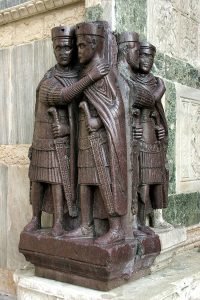
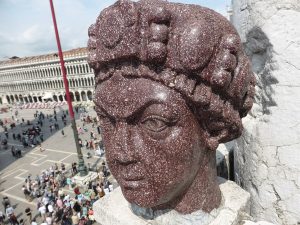
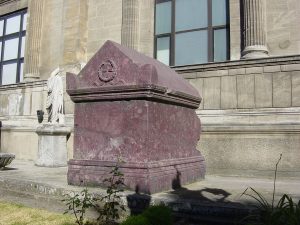
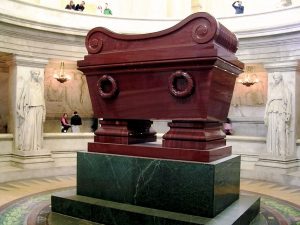
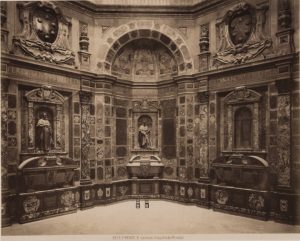
As we mentioned, porphyry is a natural stone with a rich history. It was used in Roman, Babylonian and Egyptian architecture. In the gallery below you can see some interesting sculptures and buildings made of porphyry from different periods of history.
Types of porphyry
Porphyry is a strong, resistant stone in shades of grey, green, reddish brown and purple. It is made up of many granular crystals set in a fine-grained groundmass. Thanks to its colour structure, size and the different ways it can be finished (flamed, polished, semi-polished), porphyry suits many different uses. Find out which porphyry samples you can see in our showroom in Hoče.
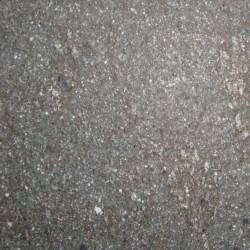
Porphyry // Grey
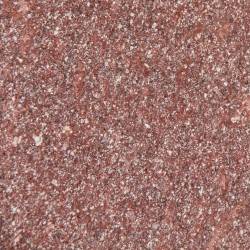
Porphyry // Red, Brown
Where is porphyry used?
Porphyry is an essential element for decorating public spaces in large projects, and an attractive choice in private homes. As it is durable, long-lasting and slip resistant, it is suitable for outdoor use, but it also works well in interior design.
Whether you use it indoors or outdoors, porphyry gives you a personal, made-to-measure design. Classic patterns combined with new, creative ideas lead to a harmonious result, full of traditional prestige and practical durability.
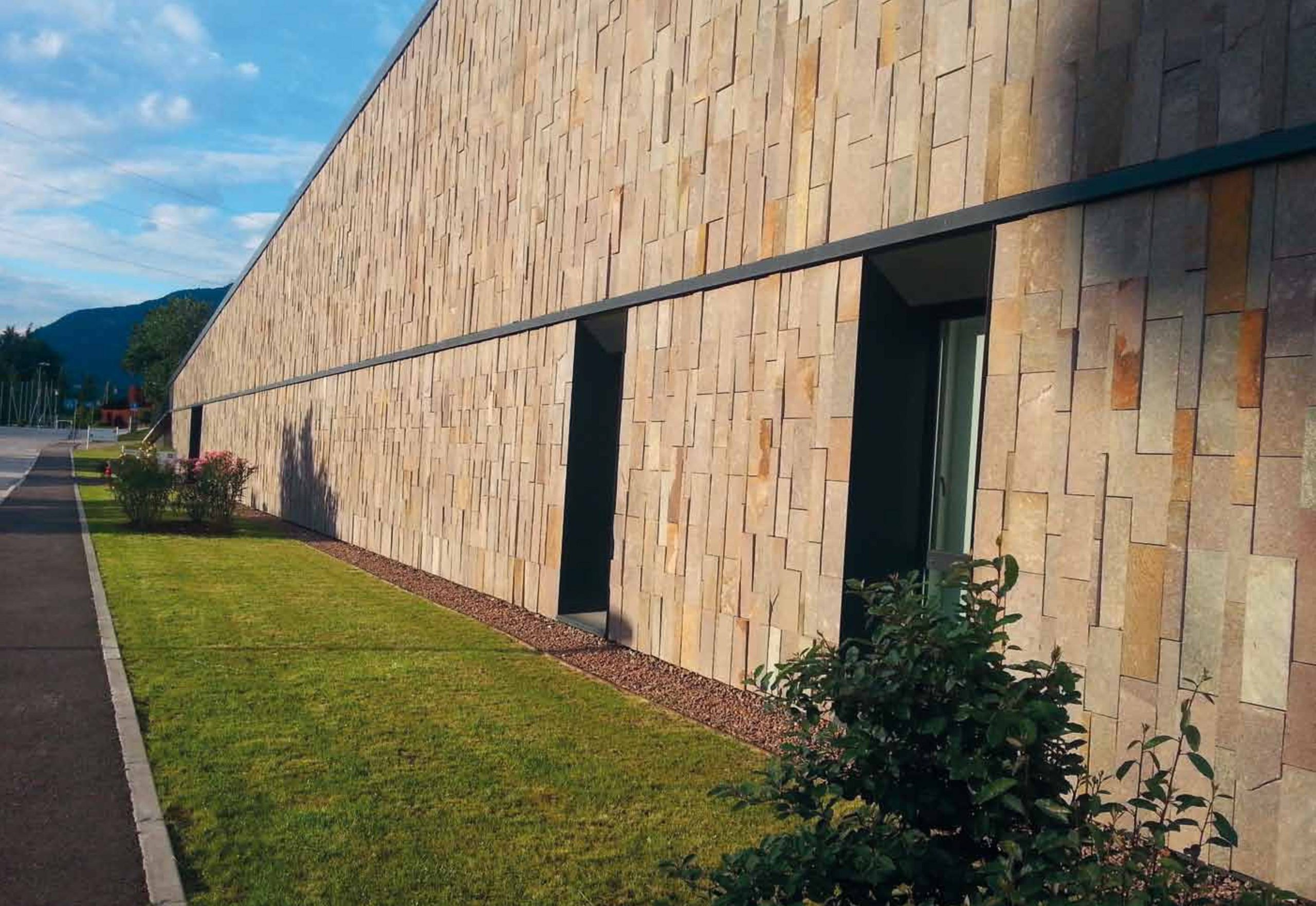
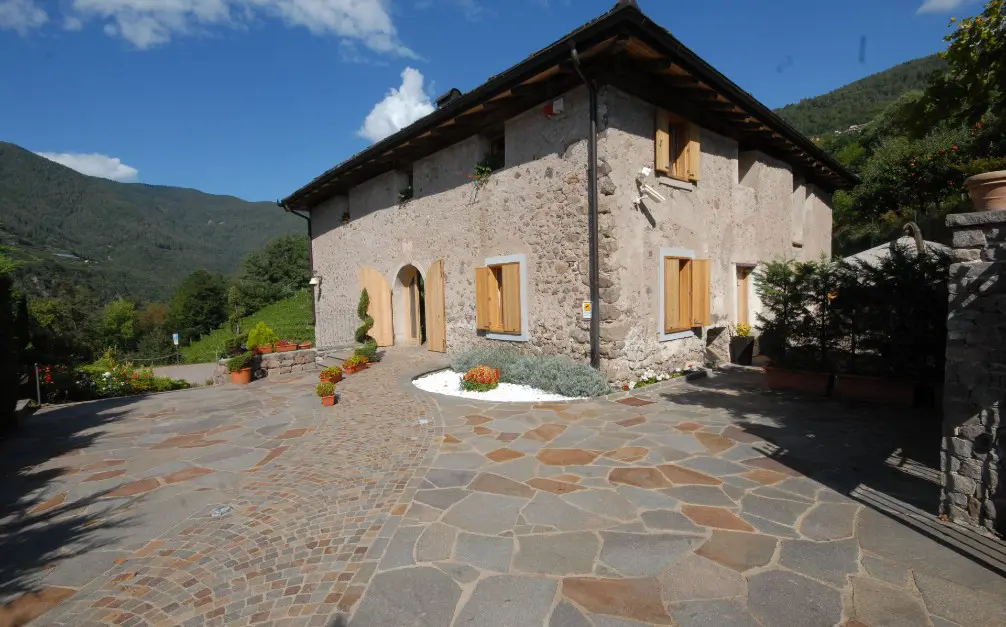
As a noble stone, porphyry adds to the look of a home and makes for innovative architecture. It has many uses, and outdoors it is most often used for wall cladding, interior and exterior paving or stairs. It goes well with other materials.
Its natural roughness and resistance to wear make it an ideal paving material, even on paths with heavy foot and vehicle traffic. That is why it is often used to pave squares, public spaces and streets. It creates a fine setting around prestigious public buildings in many European cities.
Whether you use it indoors or outdoors, porphyry gives you a personal, made-to-measure design. Classic patterns combined with new, creative ideas lead to a harmonious result, full of traditional prestige and practical durability.
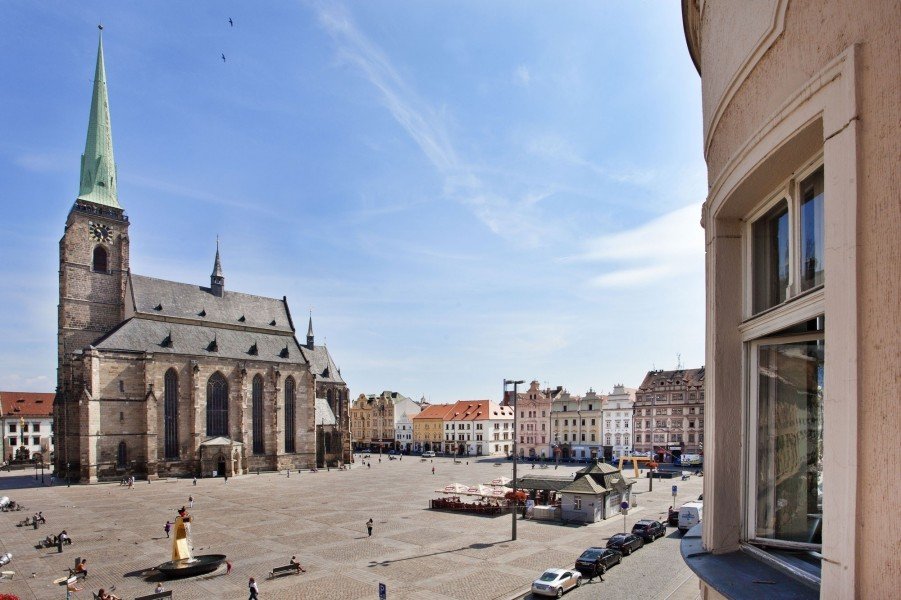
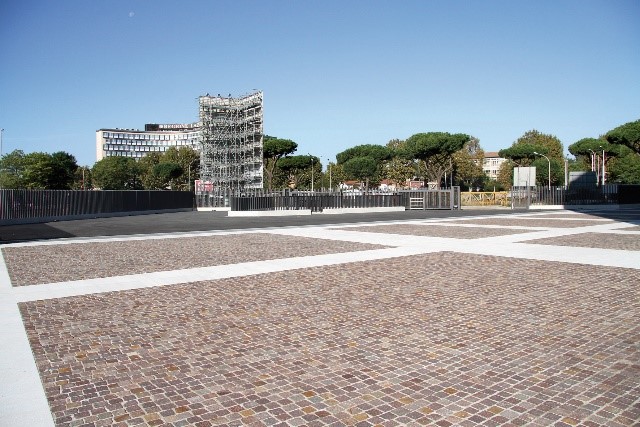
Choose porphyry for its durability and resistance, and bring a touch of prestige and elegance into your home.
Stonemasonry Marnit – over 100 years of experience with natural stone.