

Natural stone has a long, rich history. People have used it for thousands of years: first only for tools and weapons, then, as civilisation developed, more and more widely, from building materials to works of art (as decorative stone) and it still is today.
Buildings and objects made of natural stone show not only its durability, but also the beauty of this distinctive material.
Advantages of natural decorative stone
- Its natural variety allows artistic freedom and beauty.
- It is 100% natural material, so no energy is needed to produce it.
- Natural decorative stone is very varied, so it can be adapted to any setting and surroundings.
- Unlike man-made materials, natural stone keeps its natural beauty, colour and texture for many years.
- Caring for natural stone is also inexpensive and simple.
- Another big advantage is its three-dimensional quality, which makes it especially useful in art.
- Natural stone is also long-lasting and resistant.
Natural stone and art
Natural decorative stone is hard-wearing and rich in colours, textures and shapes, so it has become one of the most valued materials for artistic expression.
You find it in mosaics, frescoes and other decorative art.
Some of the ways it is used in art:
Sculpture: Sculpting natural stone takes a lot of patience, as it is a hard yet brittle material.
Sculptors mostly use marble (highly valued for its fine structure), granite, limestone and sandstone – for example, Michelangelo's statue of David is made of marble.
Sculptors also like to use more exotic types of stone, as these give special texture and colour effects.
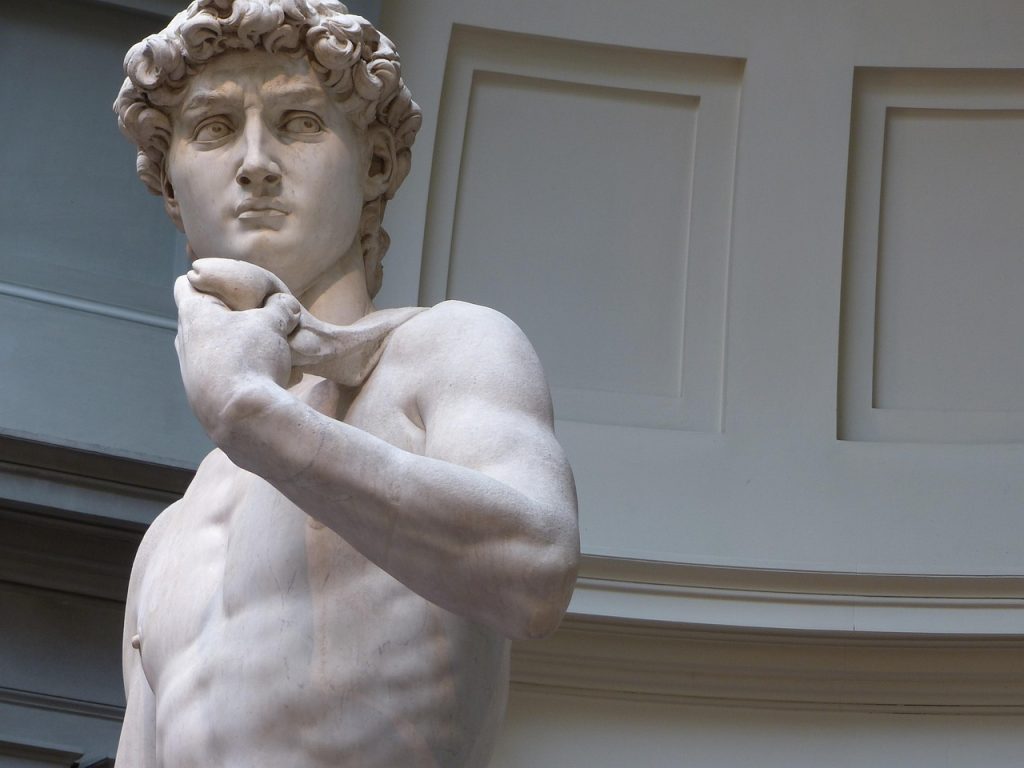
Architectural art: Mosaics, inlays and decorative building elements (columns, stairs, fountains).
Applied art: Jewellery, decorative vessels
Monumental art – Altars, headstones, fountains and wells.
Natural stone is also the key building material in many breathtaking masterpieces of historic architecture, such as:
- The Egyptian pyramids
- The Colosseum and St Peter's Basilica
- The Taj Mahal in India
- The Great Wall of China
- Machu Picchu in Peru
Some of the best-known natural stone statues
- David – Michelangelo (marble – Florence)
- Pietà – Michelangelo (marble – Vatican)
- Great Sphinx of Giza (limestone – Egypt)
- Winged Victory of Samothrace (marble – Paris)
- Plečnik's headstone
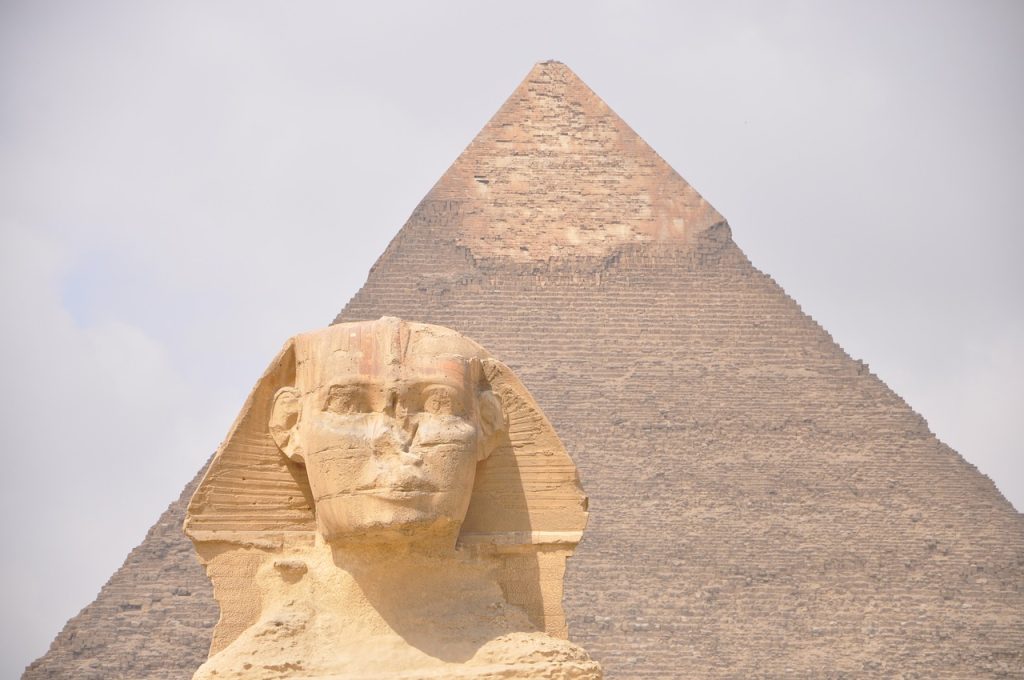
Natural stone links human work with nature and eternity. Its historical and cultural value is very rich, and it plays a big part in how we understand human culture.
So natural decorative stone is not only practical. It is also seen as a symbol of prestige, permanence and beauty, which is in the end why artists choose it.