

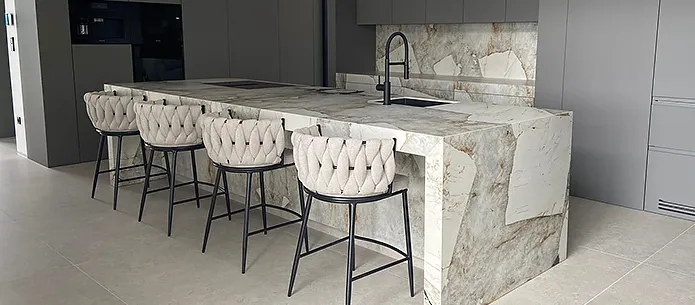
Desert Soul
Mitred edge
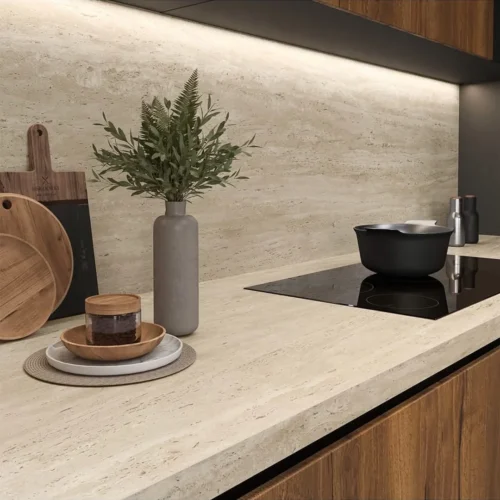
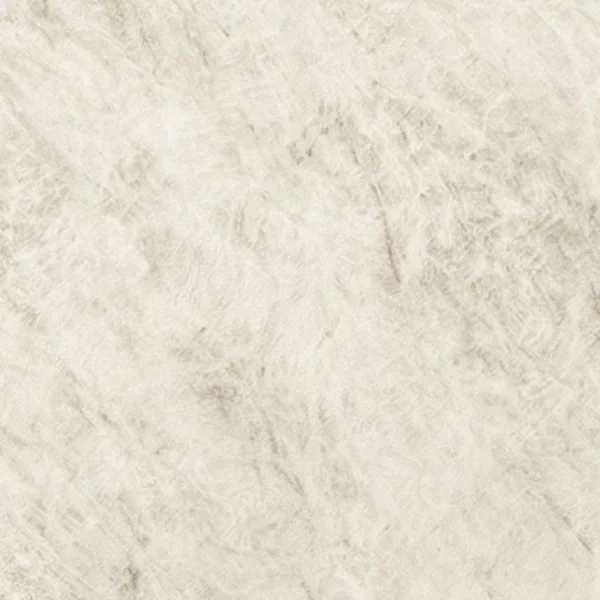
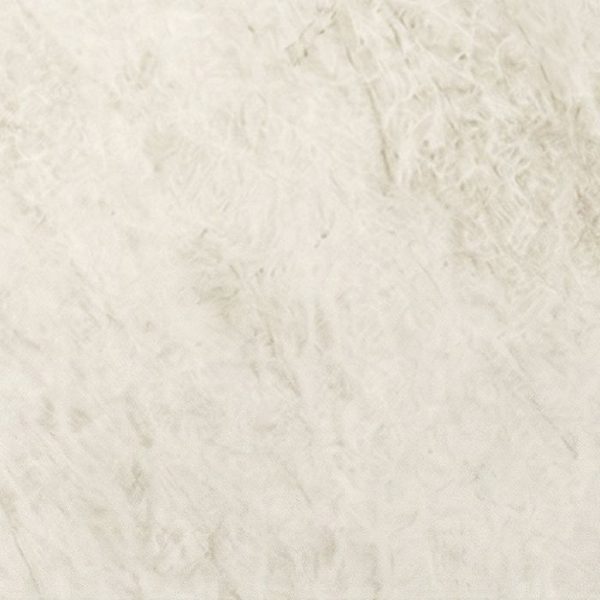
Travertino Sand
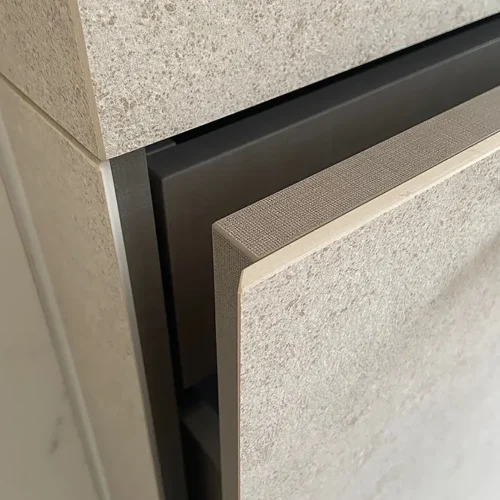
Boost Stone Ivory
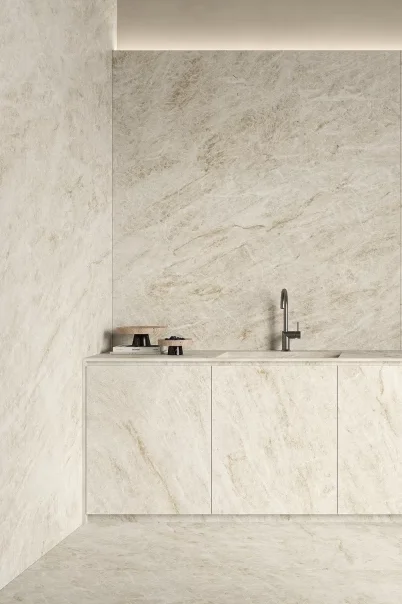
Taj Mahal
Calacatta Extra



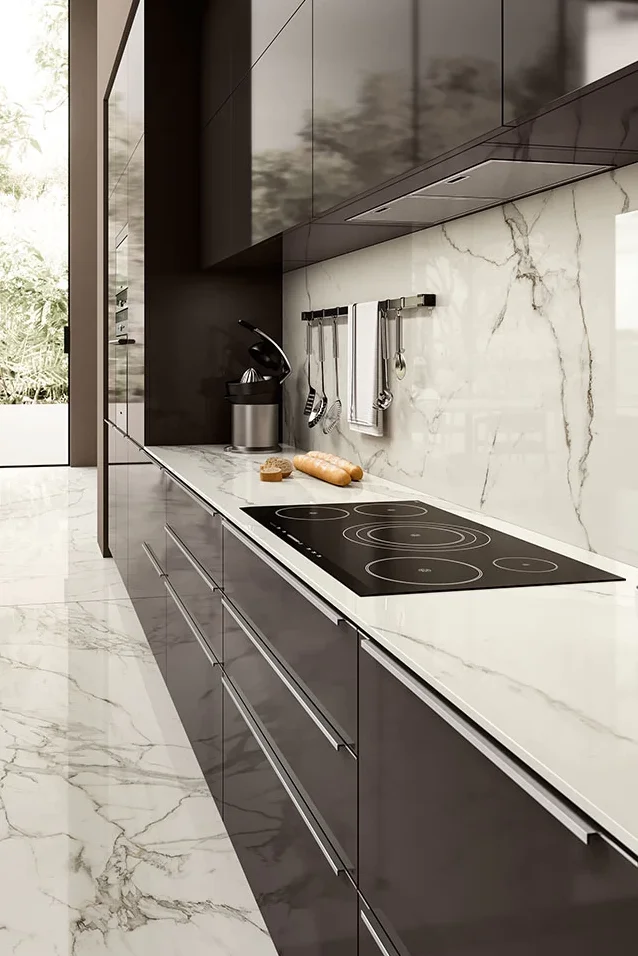
Kitchen worktops made from large-format XXL ceramic slabs combine refined style, great strength and high performance. This makes them a good choice for both home and commercial kitchens.
A ceramic kitchen worktop is highly resistant to high temperatures, so you can put hot pots and pans on it without worry. Its hard-wearing surface also takes direct heat without damage or warping.
A ceramic worktop is highly resistant to everyday wear and scratches. Its compact, dense surface prevents damage from kitchen tools, so it suits heavy, long-term use in the kitchen.
Ceramics have a non-porous surface, so a ceramic kitchen worktop is highly resistant to stains. This makes it a good choice for everyday use in the kitchen, because it will not stain or get damaged.
A ceramic worktop is non-porous, which means it does not absorb liquids or stains. Water and a neutral cleaner are all you need for daily cleaning. The surface also stops bacteria, mould and fungi from spreading, which keeps your kitchen healthy and safe.
Ceramic kitchen worktops are fully resistant to outdoor weather, such as rain and snow, and UV rays. These will not damage your outdoor kitchen or change its colour.
Slab size
320×160 cm
Slab thickness
12 mm | 20 mm
A smooth, glossy surface
A matt surface with a gentle texture
A smooth surface with a matt look
CERAMIC slabs 320 × 160 cm to order – the manufacturer's website with all designs.
Marnit d.o.o.
Miklavška cesta 53 B
2311 Hoče, Slovenia
Slovenia
+386 2 70 75 100
+386 31 612 266
info@marnit.si
prodaja@marnit.si
We will reply as soon as we can.
We faced problems while connecting to the server or receiving data from the server. Please wait for a few seconds and try again.
If the problem persists, then check your internet connectivity. If all other sites open fine, then please contact the administrator of this website with the following information.
TextStatus: undefined
HTTP Error: undefined
Some error has occured.
A ceramic kitchen worktop needs very little care. Wiping the surface with a damp cloth is enough.
Ceramic kitchen worktops are highly resistant to high temperatures. They can take temperatures even above 800 °C. You can put hot pots and pans on them without worry, and they will not get damaged.
It is hard to generalise about the differences between natural stone and ceramics, because they depend on the stone you choose. Natural stone (the harder stones we recommend for kitchen worktops) and ceramics work in very similar ways, but they differ in some respects. Here is a comparison, point by point:
LOOK
DURABILITY
PRICE
DIMENSIONS, THICKNESSES AND FINISHES