

For centuries, stone has been a symbol of beauty, elegance and permanence, and today we see it more and more often both inside and outside homes.
You can choose the warm tones of natural limestone or the exact symmetry of man-made surfaces, depending on the final look you want.
If you are renovating or building your home and are thinking about using stone, but cannot decide between natural and engineered stone, here is a description of each and the advantages of both.
Natural stone
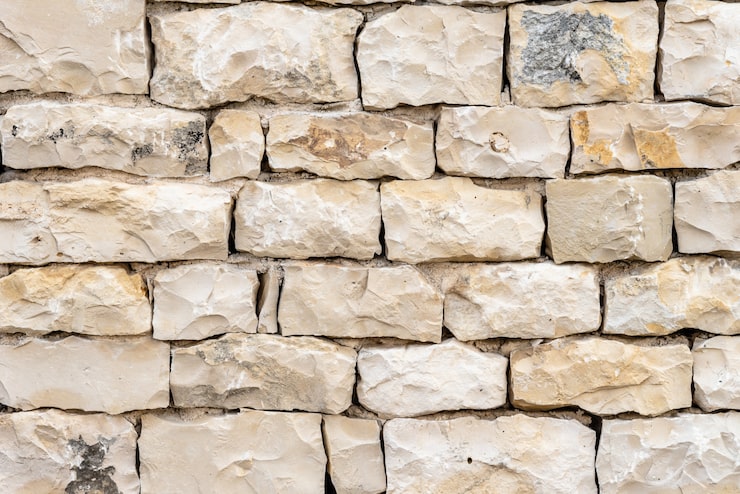
Natural stone carries the story of nature, as it comes straight from it: from quarries. Every piece is one of a kind in colour, pattern and texture.
There are many types of natural stone, such as granite, marble, travertine, sandstone, slate, limestone and many others, and each one has its own character and warmth.
Engineered stone
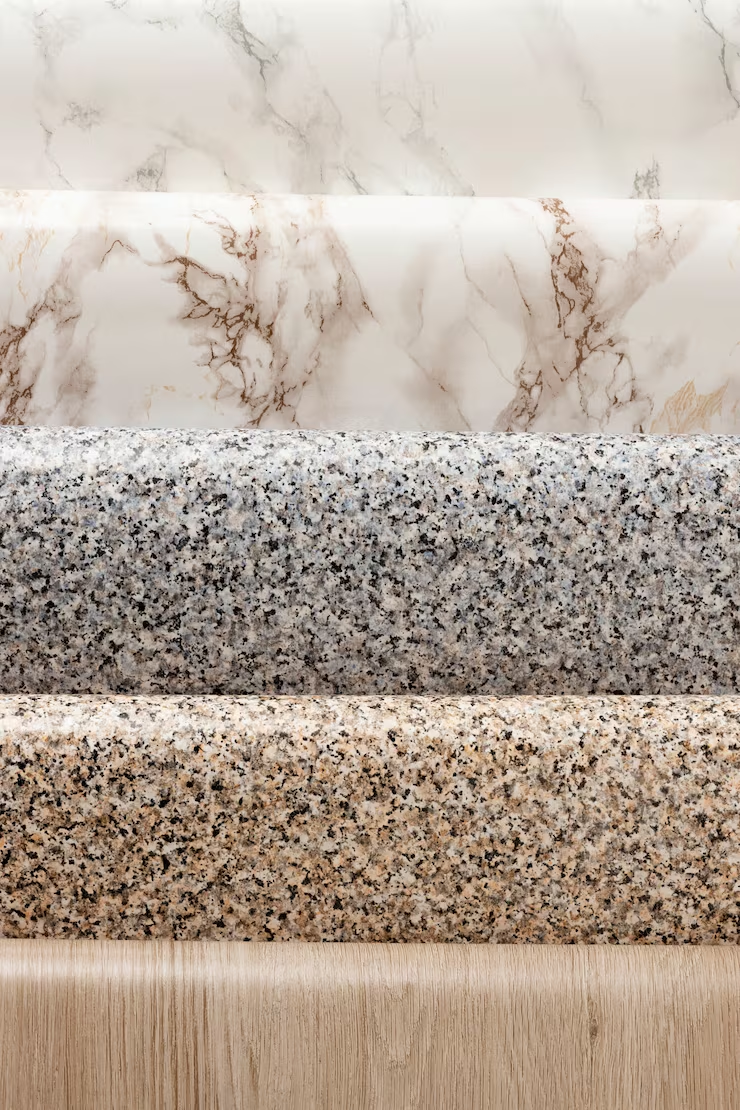
Engineered stone is made in factories from a mixture of several ingredients. It is 90 per cent fine particles of natural stone and 10 per cent pigments and binders, which gives it a huge variety of colours and textures.
To the touch, engineered stone feels very similar to natural stone.
Natural and engineered stone compared
- Look – Natural stone is a natural material, so it has a beauty that only nature can give, and this gives it great value. With engineered stone, the colours and textures can be adjusted, and additives can give an exact colour (for example snow white). Its big advantage is also its consistency: it gives smooth surfaces with matching colour and no irregularities at all.
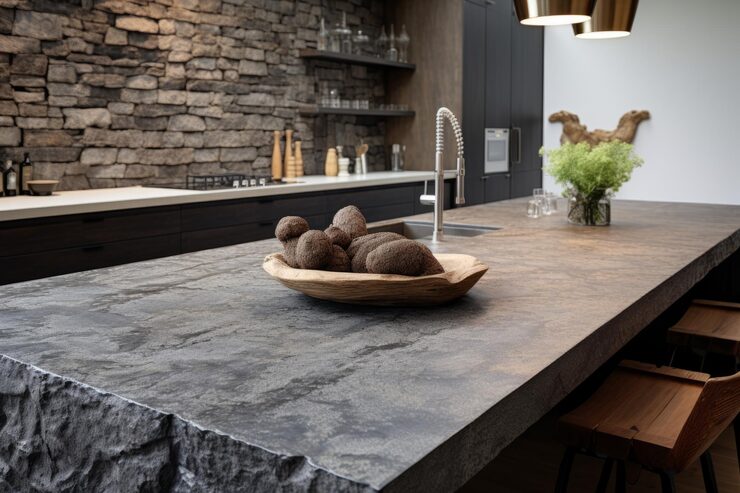
- Durability and resistance – Natural stone is very durable and resists a wide range of temperatures. With proper care, it can last for decades without losing its beauty. That is why it works very well on heavily used floors, outdoors where there is a lot of moisture, or as a fireplace surround, since it copes well with high temperatures. Natural stone is also very resistant to impact and scratches, so it is well suited to kitchen worktops, as it is hard to damage. With proper care, it can last for decades without losing its beauty. Engineered stone, on the other hand, is a little more sensitive to heat and scratches. Its advantage over natural stone is lower porosity and so better stain resistance. It also needs minimal care and is much easier to clean than natural stone.
- Price – Whatever the type of stone, natural stone costs considerably more than engineered stone, which is cheaper and more predictable in price.
- Environmental impact – Natural stone contains no harmful chemicals and is safe and completely harmless to the environment. The production of engineered stone uses chemicals that have some negative impact on the environment.
- Fitting – Natural stone is much heavier than engineered stone, so fitting and installation are somewhat more demanding than with engineered stone.

Whether natural or engineered, stone is a timeless classic that will give your home elegance, warmth and a homely feel.
Whether you choose one or the other comes down to personal taste, lifestyle and, finally, budget.
If individuality and authenticity matter to you, natural stone will win you over. If you prefer even lines, engineered stone will be an excellent choice for you.