Home / NATURAL STONE / Indoor floors & walls
Indoor floors & walls
Indoor floor tiles are a key element when you design a house, because they shape the overall look of a room. Stone floors, such as marble, travertine or granite tiles, are a good choice for a refined interior. It is important to choose a material that matches your style and your needs.
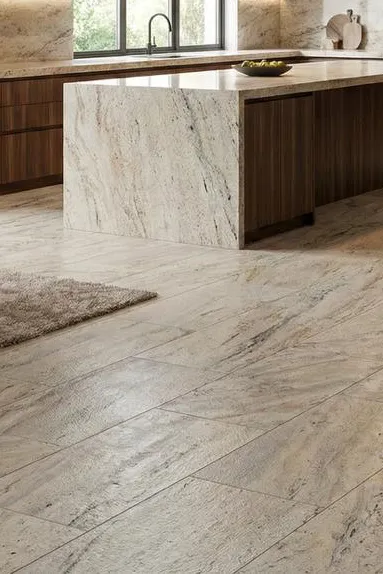
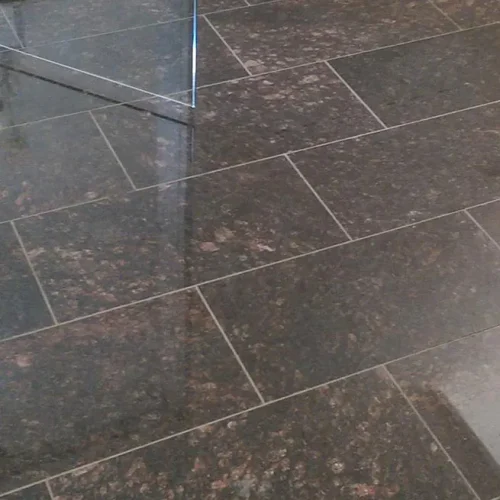
Tan Brown, polished
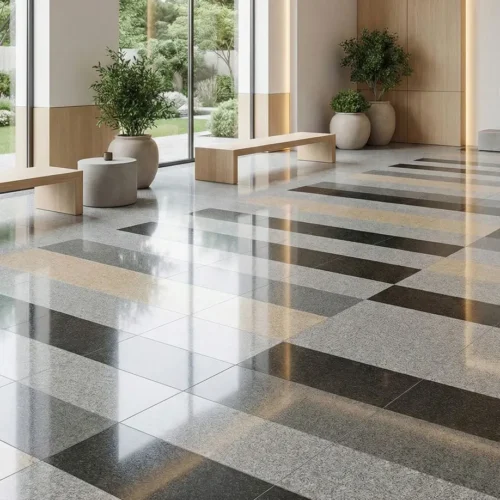
A combination of granites
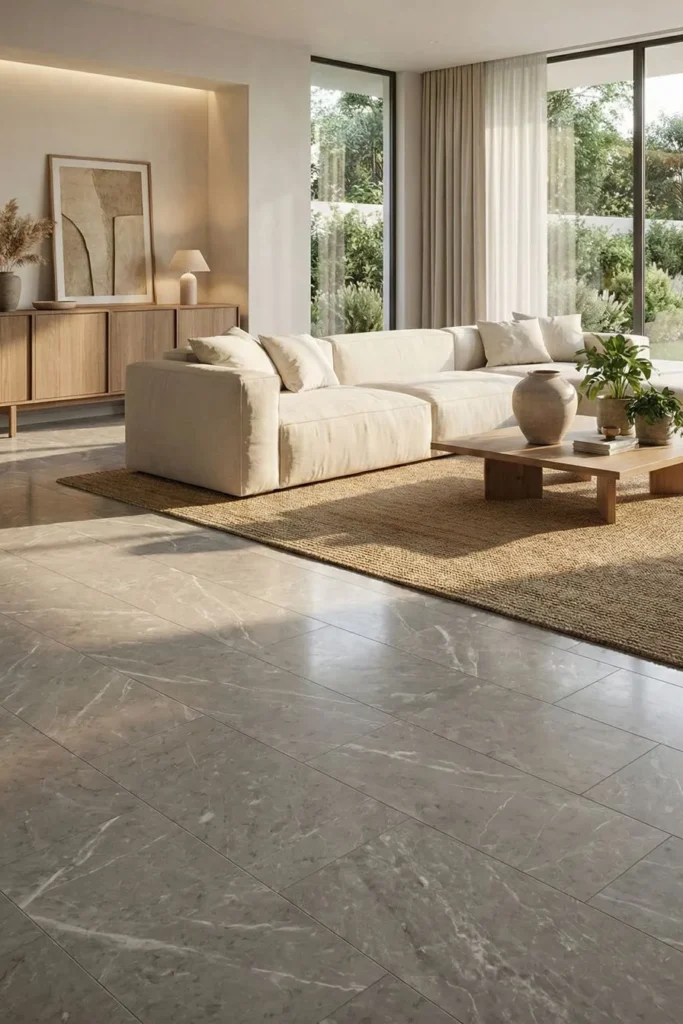
Belinda, tiles
Stone tiles for your space
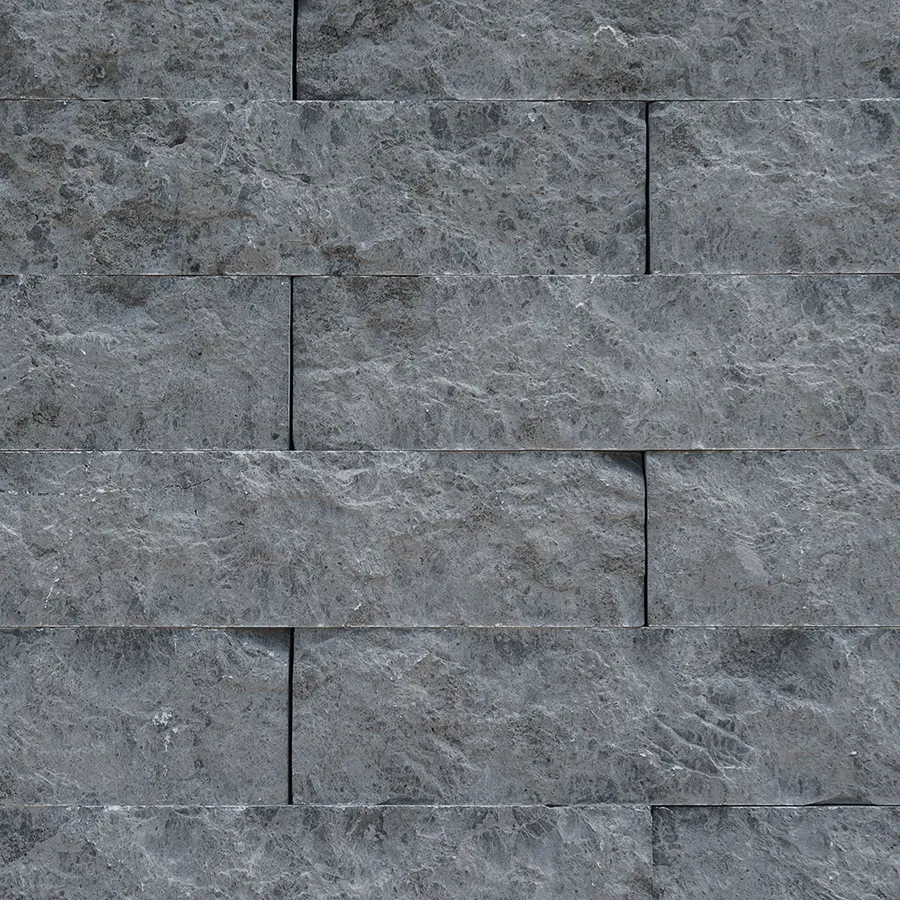
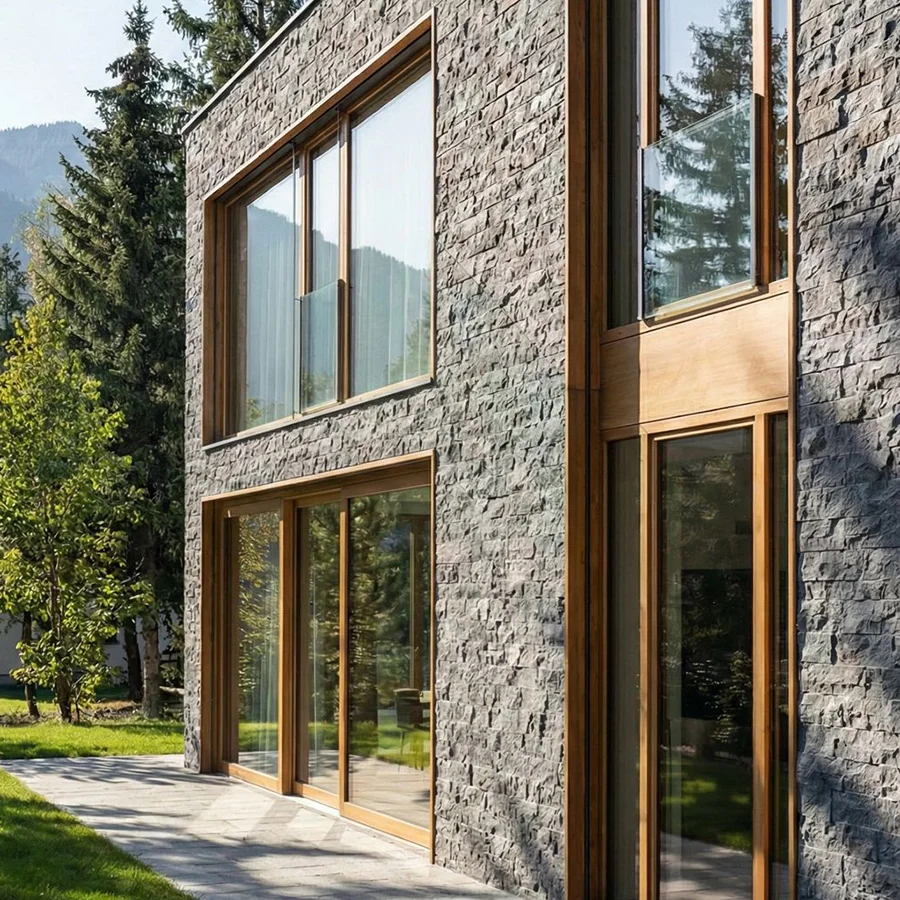
DARK GREY SPLITFACE
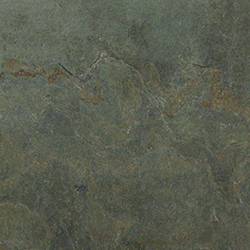
GOLDEN DROPS STONE VENEER
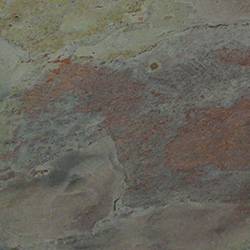
PURPLE GREY STONE VENEER
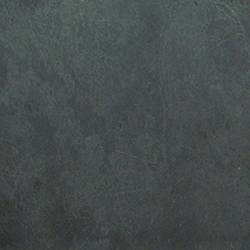
STEEL GREY STONE VENEER
TRAVERTIN LIGHT
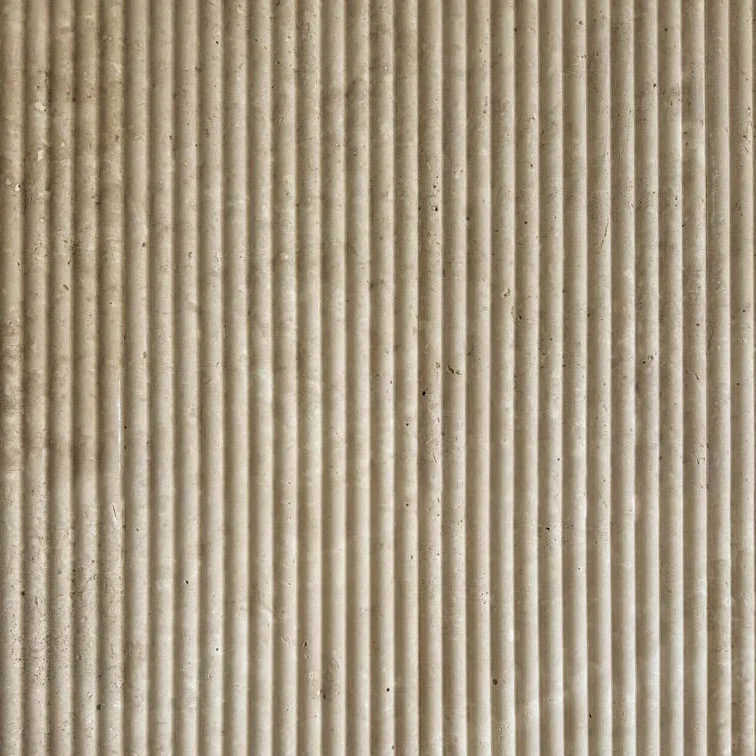
TRAVERTIN LIGHT FLUTED TILES
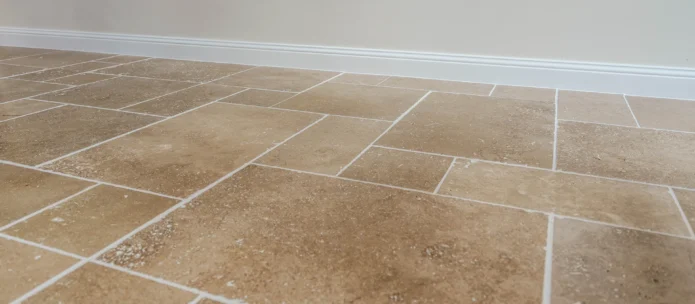
TRAVERTIN LIGHT French pattern
TRAVERTIN LIGHT RUSTIC
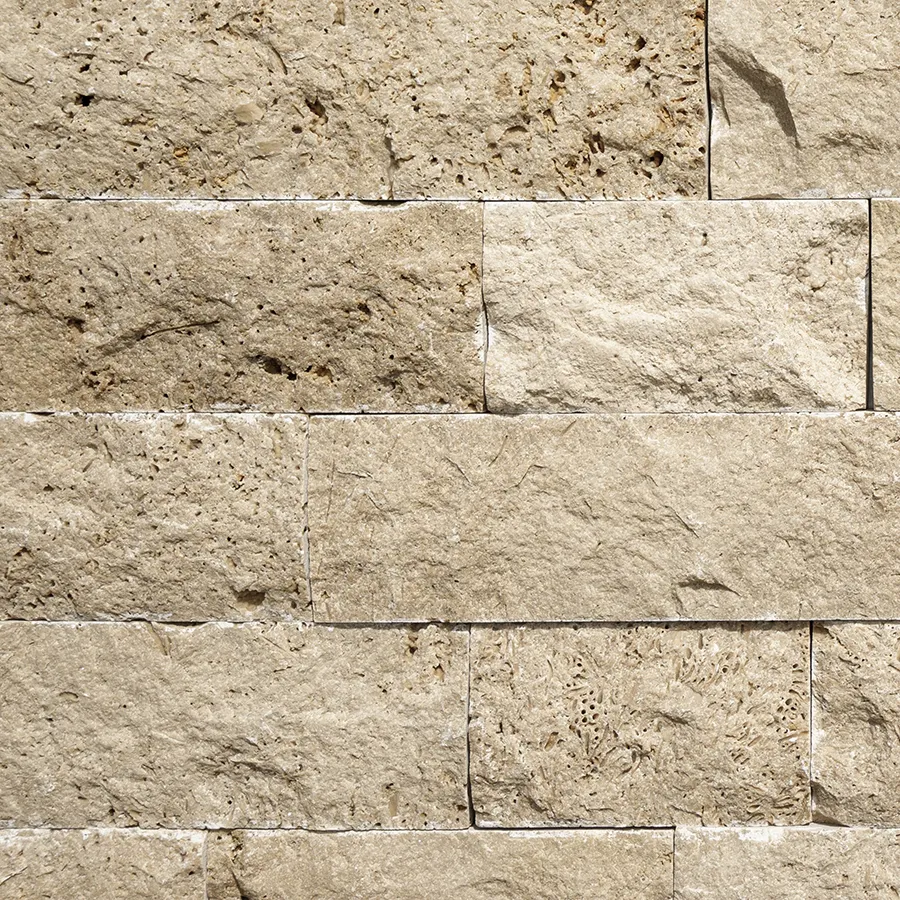
TRAVERTIN LIGHT SPLITFACE
TRAVERTIN NOCHE
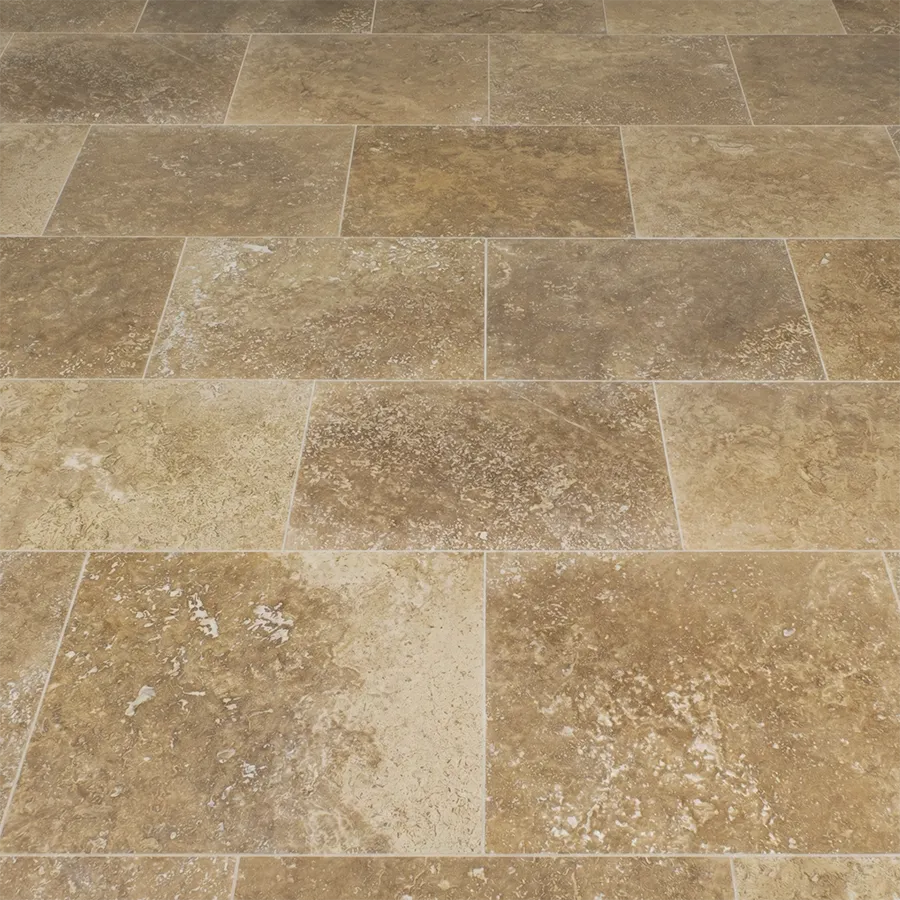
TRAVERTIN NOCHE French pattern
TRAVERTIN NOCHE RUSTIC
The elegance of nature under your feet
Stone floors for every room in your home
Whether it is a kitchen, a bathroom or a living room, stone floors look distinctive and work well. Natural stone goes well with other materials such as wood, brick, glass and metal, so it fits easily into any room.
With expert advice, choose quality stone tiles that add a touch of natural charm to your home.
Durability and beauty in one
Stone formed millions of years ago, which means that natural stone floors are extremely hard-wearing and resistant to wear. Stone is not only beautiful. It is also environmentally friendly and easy to maintain, so it stays useful and keeps its look for a long time.
Marble cladding: a rich look for your home
Marble is one of the most popular types of natural stone. Its subtle structure makes it a favourite of interior architects and designers. Marble often covers the floors and walls of prestigious hotels.
Marble floor tiles give your rooms a rich, refined look that everyone will enjoy.
Travertine stone cladding: a distinctive look for every room
Travertine forms in the presence of hot spring water and is valued for its distinctive texture and look. Travertine floor and wall cladding suits bathrooms, kitchens, living rooms and hallways, because it is very durable and has excellent non-slip properties. Its natural beauty and resistance to weather also make it a common choice for outdoor cladding.
Limestone: a versatile stone for modern interiors
Limestone is known for its durability and its good looks. Limestone floors suit any room, because they come in different textures and colours to meet your needs. Limestone resists frost and wear, so it is also a good choice for outdoor cladding.
Granite: lasting tiles in many looks
Granite is one of the hardest rocks, which means that granite tiles are extremely durable and resist all mechanical damage as well as damage from chemicals and liquids. Its high density and low porosity are key factors when you choose tiles for floors that take heavier loads.
A wide range of colours and textures is available to suit different styles.
“Natural stone offers almost countless ways to combine and use it. You can use the same stone in different ways: as floor tiles and as pieces cut from slabs, such as stairs, kitchen worktops, washbasins or vanity tops, and many other functional and decorative elements. By using it in different ways, we can link a whole series of rooms in your home or business premises.”
Decorative stone
Discover distinctive natural stone finishes whose three-dimensional texture draws the eye.
The human eye perceives a space in a way that goes beyond the visual impression. Decorative stone creates a sense of authenticity and natural warmth.
Use it for interior wall cladding or facades – the textures and feel of the materials add depth to surfaces and change how you perceive a space.
Whatever your style, decorative stone will bring out the personal character of your space and help create the atmosphere you want.
Stonemasons with over 100 years of tradition
Marnit is a family business with roots in the 1890s.
Skills handed down by master craftsmen, a close eye on new trends, quality and a commitment to satisfied customers are at the core of our work.
Many private customers and companies across Europe trust us today for our expert advice and personal approach. We are glad to shape your space together with you and give it lasting value.
Floor and wall cladding made to measure, cut from slabs
Slab thickness
2 cm | 3 cm
Finishes
POLISHED
A smooth, glossy surface.
BRUSHED
A gently textured surface that feels like leather.
FLAMED
A rough, matt surface with slip resistance.
*examples shown on Steel Grey
Sample gallery
Absolute Black
Absolute Black brushed
Amba Gold
Belinda
Bianco Carrara
Bianco Oroe
Black Pearl
Blue in the Night
Brown Antique
Butterfly Blue
Calacatta Gold Quartz
Calacatta Grey Quartz
ENQUIRY
Marnit d.o.o.
Miklavška cesta 53 B
2311 Hoče, Slovenia
Slovenia
+386 2 70 75 100
+386 31 612 266
info@marnit.si
prodaja@marnit.si
FREQUENTLY ASKED QUESTIONS
CARE AND MAINTENANCE OF STONE FLOORS
Natural stone floors are not hard to care for. In most cases, wiping them with a clean, dry cloth is enough. They still need regular care to keep their original look for many years. Areas where liquids often get onto the floor need regular sealing. This prevents damage to the stone floor.
IS NATURAL STONE SLIPPERY?
Polished surfaces can be more slippery, so they suit rooms that are not in contact with water. For wet rooms or staircases we recommend tiles with an anti-slip finish (rough-brushed or honed). Visit us and we will be happy to advise you.
THE DIFFERENCE BETWEEN NATURAL STONE AND CERAMICS
It is hard to generalise about the differences between natural stone and ceramics, because they depend on the stone you choose. The two materials work in very similar ways, but they differ in some respects. Here is a comparison, point by point:
LOOK
- Natural stone offers distinctive patterns and colours, because every slab is formed by nature. This makes your floor and wall cladding one of a kind. Natural crystals and minerals also give the material a sense of depth that you see from every side.
- Ceramics can be very adaptable, with a wide range of colours, patterns and textures. Ceramic slabs can be made to look like natural stone, concrete, wood…, but the patterns repeat, which can make each piece feel less individual. Because the surface is printed, the pattern does not show on the edges or on the back of the material.
DURABILITY
- Natural stone, in its harder types (granite, quartzite…), resists heat, scratches, damage and stains very well. Softer stones (marble, limestone…) are more sensitive to scratches and acid stains, but the right care and maintenance prevent this or reduce the risk. Every natural stone needs a first sealing, which is carried out after laying. How often you need to seal it again depends on the stone.
- Ceramics are hard-wearing and resist scratches, stains and heat. Ceramic tiles need no special care, but a knock on an unsupported edge can damage them.
PRICE
- Natural stone: prices vary a lot with the type of stone. It can cost more or less than ceramics.
- Ceramics also come in a wide price range. The price depends on the quality and on how realistic the print looks. As a rule, prices from the same manufacturer are similar for the same texture and size, whatever the look of the surface. A matt finish costs less than a polished one. Special finishes and 3D textures can also cost a little more.
DIMENSIONS, THICKNESSES AND FINISHES
- Natural stone: tile sizes vary, from standard sizes (30.5 × 61 cm or 40.6 × 61 cm) and the French pattern to other formats made to order. We can also cut tiles to measure from slabs. Floor and wall tiles are usually 1.2 cm thick (indoor) or 2 or 3 cm thick (outdoor). Finishes: polished, brushed, honed and flamed.
- Ceramics: tile sizes vary, from standard sizes (60 × 60 cm and 60 × 120 cm) to large-format slabs. We can also cut tiles to measure from slabs. Floor and wall tiles are usually 8.5 to 10.5 mm thick (indoor) or 20 mm thick (outdoor). Finishes: matt, polished and special 3D finishes.