Home / NATURAL STONE / Decorative stone and stone veneer
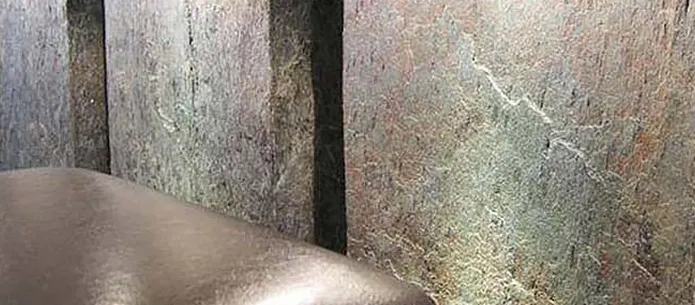
Stone veneer is an innovative alternative to solid natural stone, with many advantages. It is very light, thin, flexible and affordable, and can be fitted almost anywhere, even on curved and round surfaces. It adds a natural look and makes the interiors and exteriors of buildings more attractive.
Advanced technology has made it possible to develop a veneer that creates an elegant look with a touch of nature. It is made from large pieces of stone cut into thin layers. In other words, it is natural stone split from the rock in thin layers and then shaved down to a thickness of 1 to 2 mm. The durable stone veneer is bonded to a flexible backing, ready for quick and easy use on all kinds of surfaces.
Veneer is often used where solid stone is not suitable because of its weight and thickness. It costs less and is a practical choice for renovating both homes and business premises. Natural stone veneer lets you improve a space without major building work.
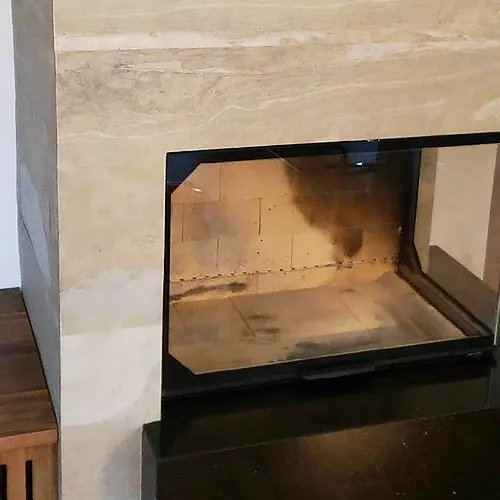
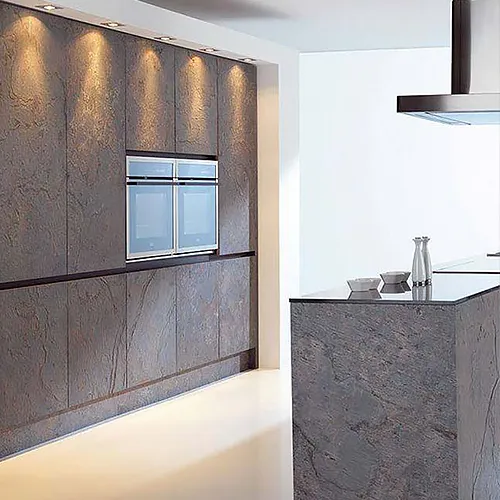
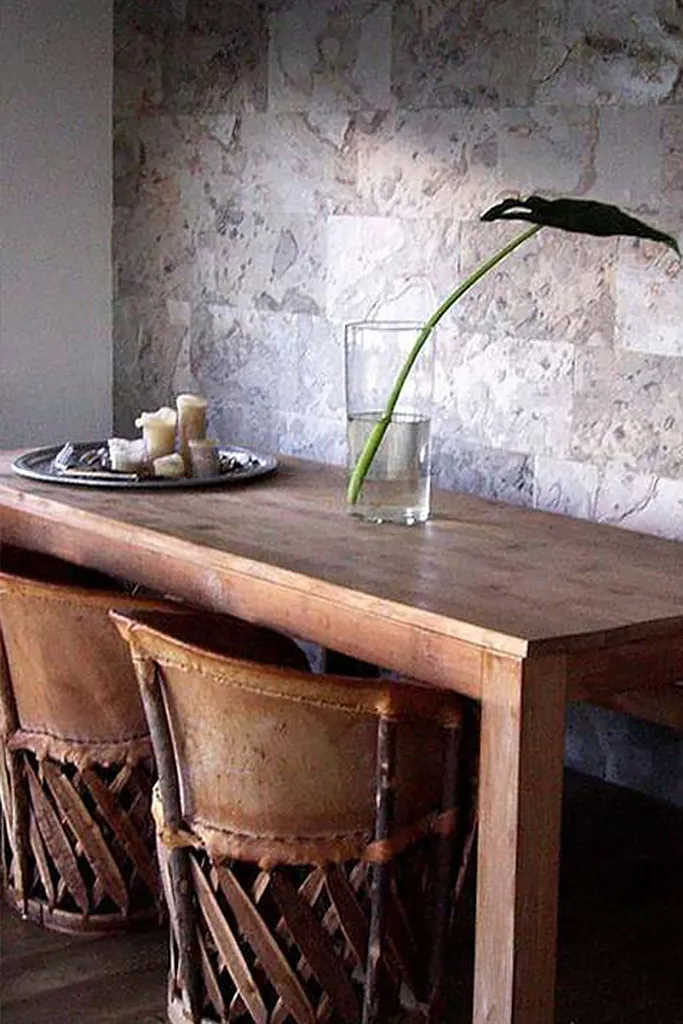
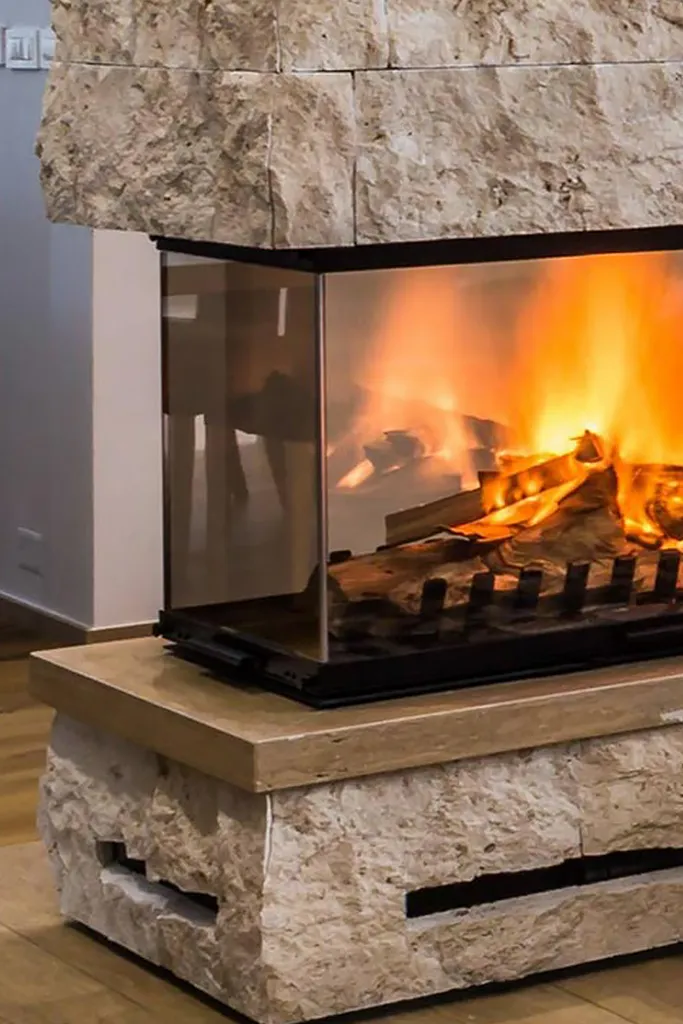
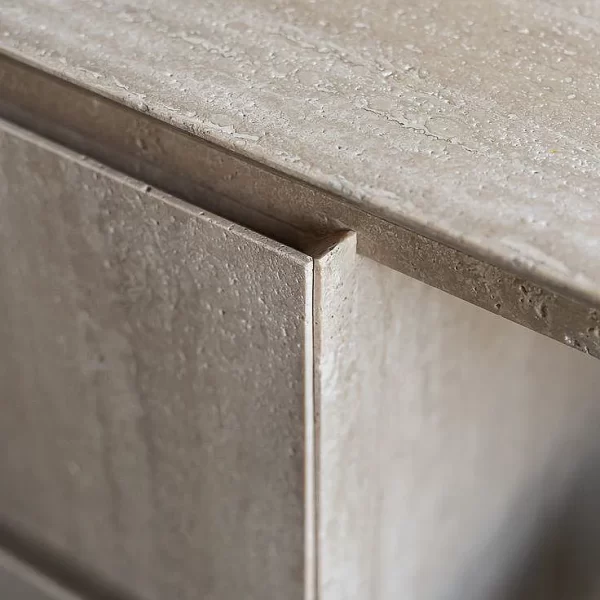
Natural stone veneer is versatile and suits traditional, modern, industrial or rustic styles. You can use veneer indoors or on the outside of a building. Indoors, it suits walls, furniture and decorative surfaces in all kinds of rooms. It is fire-resistant, so it also suits cladding for all types of fireplaces. Outdoors, stone veneer is used to clad walls, entrances, outdoor kitchens and more. The distinctive look and texture of natural stone veneer invite you to touch it.
Besides all the advantages above, stone veneer is also easy to clean and maintain. Follow a few simple guidelines and you can enjoy your stone interior for a very long time. This durable, hard-wearing material needs no special care, but it is important to watch for any damage, such as cracks in the stone. You can also protect it with sealers.
You also need to take extra care when choosing cleaning products. Avoid strong cleaners: a mix of warm water and vinegar is enough. A wire brush or a pressure washer is not suitable for cleaning. Use a soft cloth or a soft-bristled brush.
Marnit has worked and fitted natural stone for more than 100 years. Our range includes a wide choice of stone veneer textures, colours and patterns in different sizes. The earthy tones of natural stone veneer are warm and calming and create a pleasant living space. Natural stone offers genuine authenticity and elegance, and using it keeps you in touch with nature.
Slab size
30 × 60 cm, 40 × 60 cm
Slab thickness
12 mm | 20 mm


Marnit d.o.o.
Miklavška cesta 53 B
2311 Hoče, Slovenia
Slovenia
+386 2 70 75 100
+386 31 612 266
info@marnit.si
prodaja@marnit.si
It is hard to generalise about the differences between natural stone and ceramics, because they depend on the stone you choose. Natural stone (the harder stones we recommend for kitchen worktops) and ceramics work in very similar ways, but they differ in some respects. Here is a comparison, point by point:
LOOK
DURABILITY
PRICE
DIMENSIONS, THICKNESSES AND FINISHES