

Ceramic tiles are an essential part of every home. They help create a pleasant, homely place to live.
They are made from natural raw materials: clay that is shaped and fired at a set temperature. This makes them easier to cut and gives them the right strength.
For ceramic tiles to stay useful and good-looking for a long time, they need to be fitted correctly.
Where to use ceramic tiles
Thanks to their properties, ceramic tiles can be used almost anywhere.
You find them most often in bathrooms, because they work well on both walls and floors: they do not absorb water and they are easy to keep clean.
They are also common in kitchens and hallways, and many people use them in living rooms, on terraces and on balconies too.
If you plan to use ceramic tiles outdoors, choose non-slip tiles that are frost-resistant.

Advantages of ceramic tiles
Ceramic tiles offer many advantages, which makes them very popular:
- They are very durable and wear-resistant.
- They are fairly easy to clean and look after: a mild detergent and water are enough.
- They are fire-resistant and resist all kinds of weather.
- They are easy to cut, and their price is quite reasonable.
- They are made from natural materials, which makes them an environmentally friendly choice.
- They come in many sizes, colours and patterns, so you can match them to any style.
- You can choose from many effects (stone, concrete, wood).
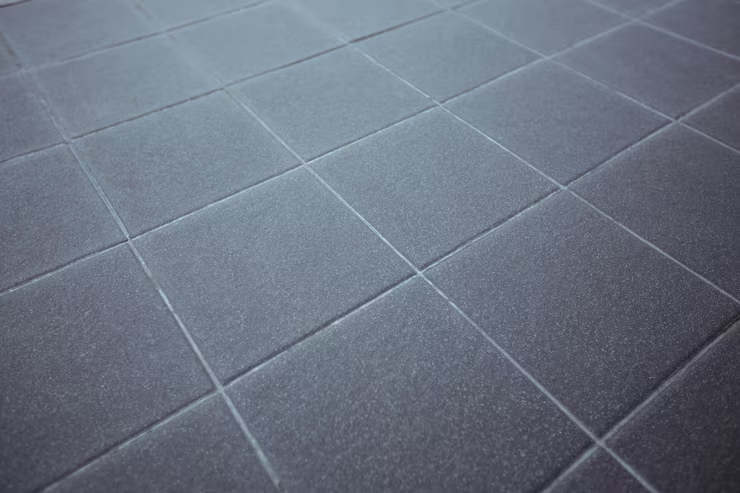
Laying ceramic tiles
When you lay ceramic tiles, the most important thing is that the substrate is level, smooth and firm. If it is not, a tile can easily crack.
Ceramic tiles can only be laid on dry, clean surfaces. Before laying, apply a primer that reduces the absorbency of the substrate. In bathrooms and outdoors, you also need to apply a waterproofing coat.
Before you start laying tiles, work out how many tiles you need for the area.
It is best to get at least 10 per cent more to allow for cuts and wastage.
Next, apply the adhesive to the substrate. The key point is to spread the adhesive evenly, so that it holds across the whole surface of the tile.

Before you lay the next tile, remember to keep an even gap between the tiles, as this is the only way to get a neat result. The easiest way is to use plastic tile spacers or other spacers.
Once the tiles are laid, it is best to leave them until the next day so that the adhesive is fully dry.
Next comes grouting. Mix the grout according to the manufacturer's instructions, then work it into the joints. Wipe off any excess with a damp sponge, taking care not to damage the joints.
Ceramic tiles laid correctly like this last a very long time and are easy to look after.
If you have no experience in laying tiles, we recommend leaving the work to trained professionals. This is the only way to avoid unnecessary problems.
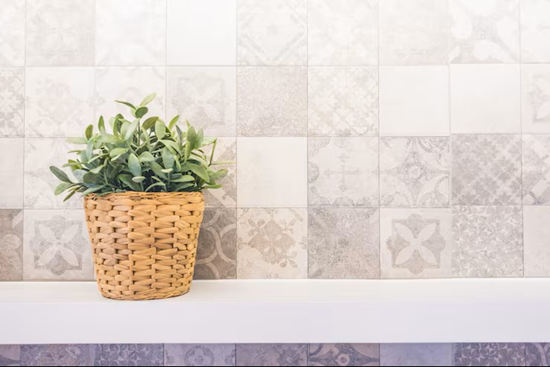
Good-quality tile fitting is key to how your tiles look and how long they last. If you follow the tips above, your tiles will be fitted well and you will get an attractive, practical surface.