

The Egyptian pyramids, the great Greek and Roman temples, the Great Wall of China, the Colosseum and many other remarkable buildings whose main building material is natural stone, still stand today and prove how durable, beautiful and hard-wearing natural stone is.
It gives them a sense of grandeur, as it has survived through the centuries and carried cultural heritage into our time.
Natural stone, the oldest building material in the world
Throughout history, natural stone has been one of the leading building materials, as people recognised its advantages (strength, resistance and beauty).
Many years ago, it was thought too lavish for ordinary homes, so it was used only in temples, palaces and the homes of the very wealthy.
Today, as it is easier to quarry and simpler to fit, we use it in our homes too.
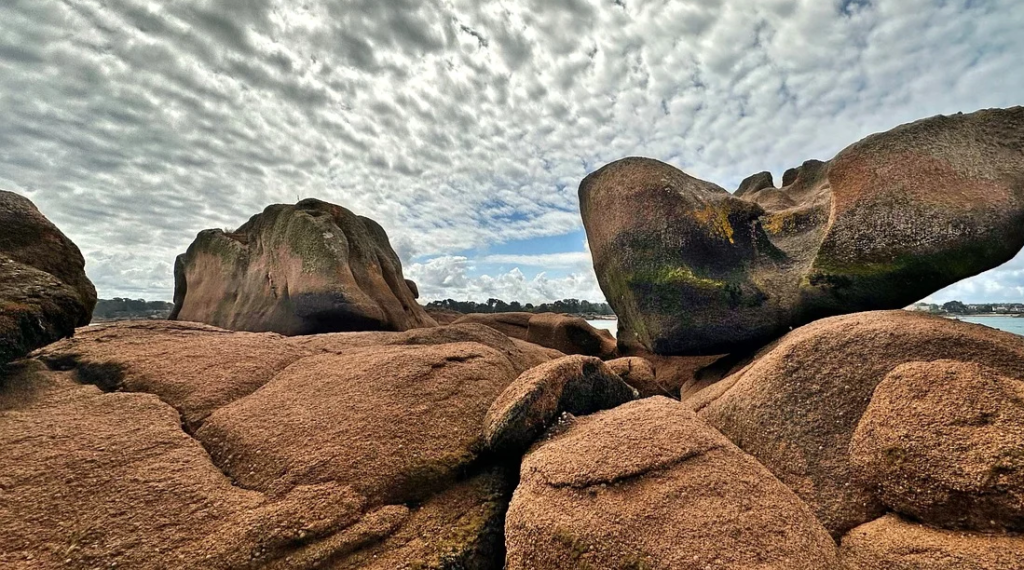
The history and culture of natural stone
Natural stone has a long, rich history that is closely linked with the development of human civilisation.
People have used it for thousands of years – first only for tools and weapons, then, as civilisation developed, more and more widely, from building materials to works of art (as decorative stone), and it still is today.
Buildings made of natural stone show not only its durability but also its beauty.
In art, stone is one of sculptors' favourite materials. You also find it in mosaics, frescoes and other decorative art, as its natural variety allows artistic freedom and beauty.
Natural stone also has symbolic value: it stands for eternity and stability, a connection with nature and, in some religions, spirituality.
Inspiration from the past
Natural stone is the key building material in many breathtaking masterpieces of historic architecture:
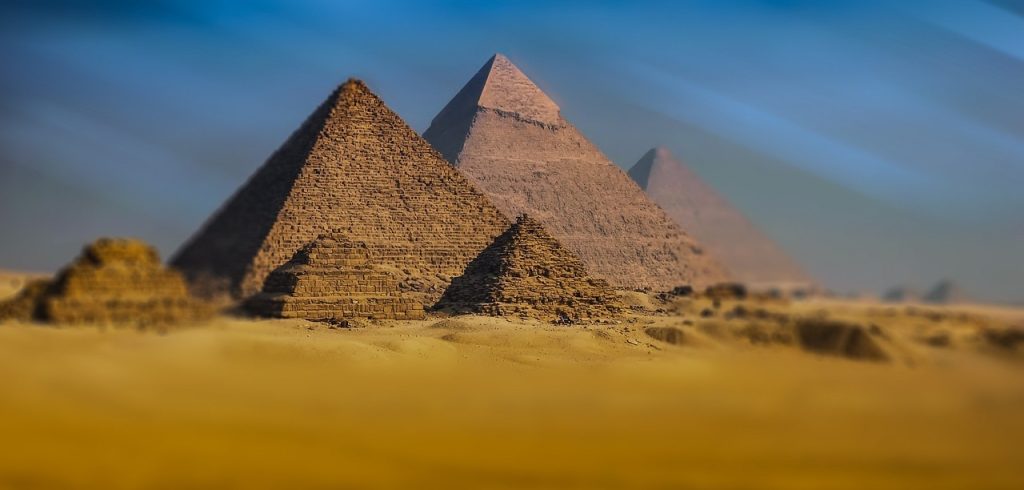
- The Egyptian pyramids – Their core is built of limestone, while the inner chambers are made of granite.
- Ancient Rome – The Colosseum and St Peter's Basilica in the Vatican are built of travertine, which serves as decorative stone, and also gives the building strength.
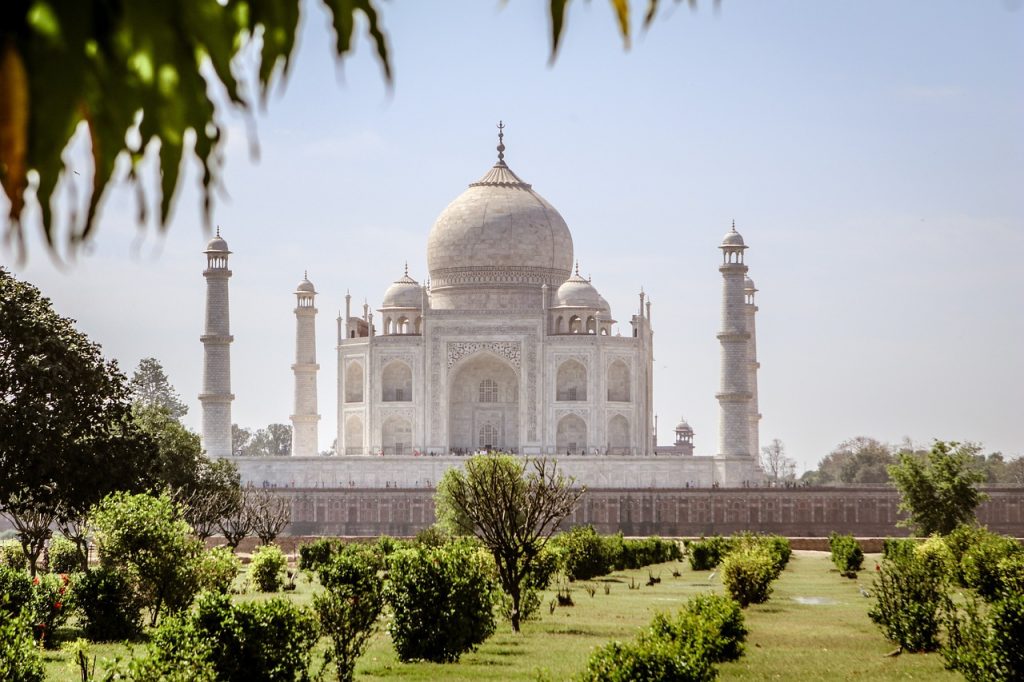
- The Taj Mahal in India – the whole mausoleum is clad in decorative white marble and so expresses timelessness and holiness. Semi-precious stones are used for the inlays (floral motifs), and the grounds and courtyard of the Taj Mahal are made of sandstone.
- The Great Wall of China – A large part of this historic monument is built of natural stone. This is mainly because natural stone was the most readily available material in the area, and also because it offers strength and resistance to the weather, which matters a great deal for a structure like this.
- Machu Picchu in Peru – this magnificent masterpiece is largely made of local grey granite.
Do you know which is the oldest stone monument?
The Pyramid of Khufu (Cheops) was built around 2500 BC. This great, mighty pyramid, clad in white limestone still shines in the desert sun today.
It was the first structure built entirely of natural stone, using huge blocks of limestone and granite.
The historical and cultural value of natural stone is very rich. It is not only a practical building material, but also an important window on human history and culture.
All the historic buildings made of natural stone still stand today and prove how durable and hard-wearing it is.
And we can probably all agree that no other material compares with the beauty of natural stone.