

Outdoor ceramics have been used since the time of the ancient Greeks and Romans. Back then they only decorated the entrance to a house. Today we use ceramic tiles outdoors for many purposes.
They are a very popular investment that, thanks to their many advantages, pays off for everyone.
Advantages of ceramic tiles on outdoor surfaces
Outdoor ceramic floor tiles are much more exposed to harsh environmental conditions than indoor tiles. They differ from them mainly in the structure of the material, as they are much stronger and more durable.
They are made of porcelain, which means they resist frost, acids, alkalis and salt.
Good-quality ceramic tiles are not slippery and do not absorb water.
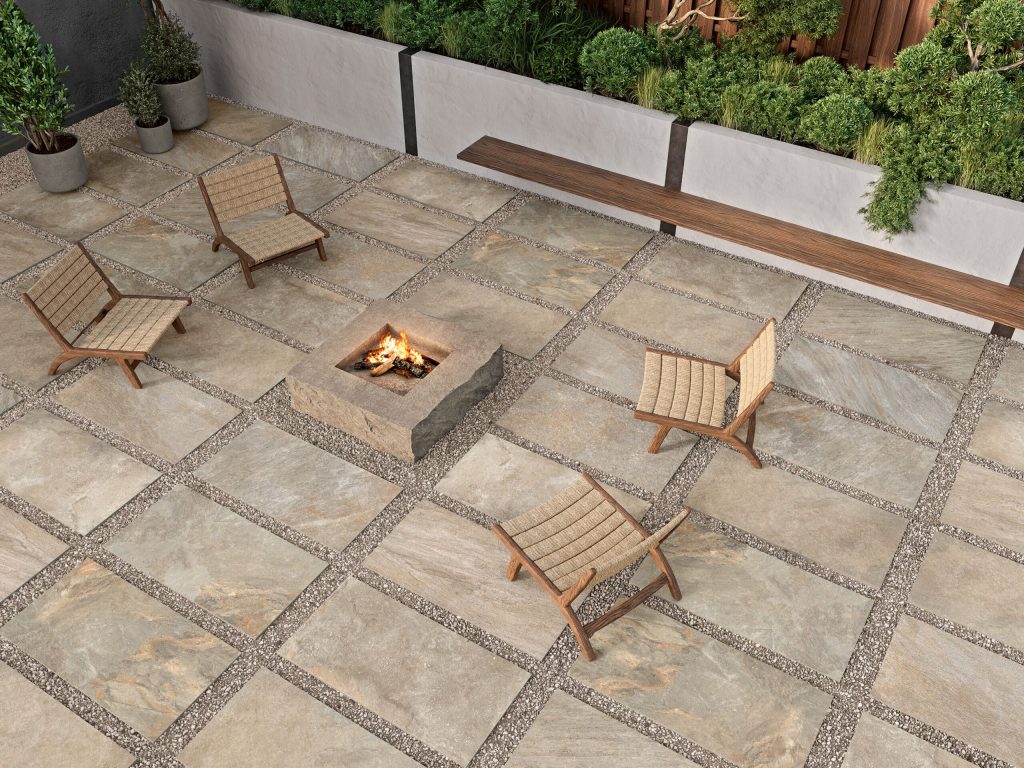
Ceramic floor tiles are ideal for courtyards and terraces, because they combine strength with an attractive look.
They come in many different colours, patterns and sizes, from XXL ceramics to mosaic tiles, so you can give your outdoor space a look of its own and create a pleasant, lasting environment.
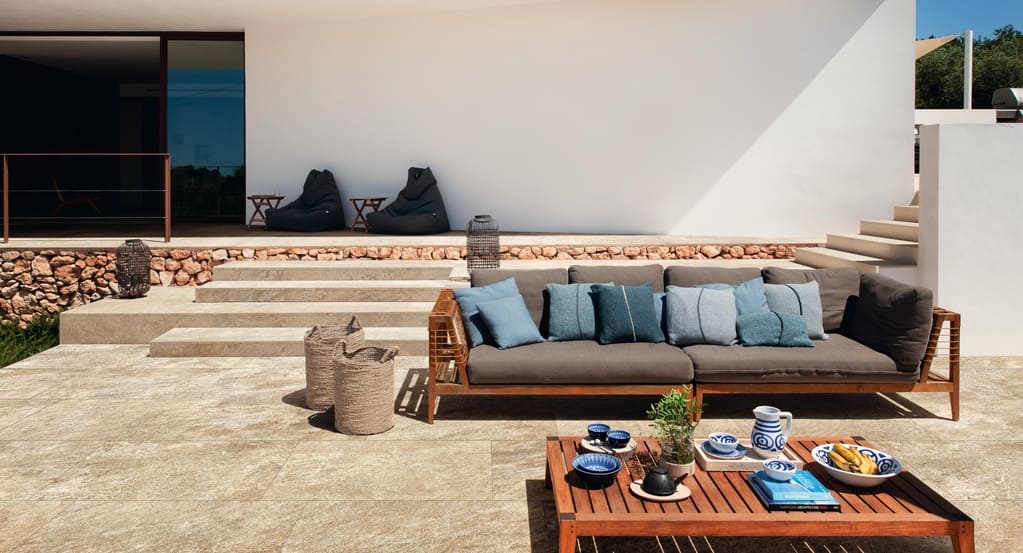
Another very important advantage of ceramic tiles is that they are hypoallergenic, odourless, non-combustible and very resistant to mechanical damage.
They are also very easy to clean and maintain, because they do not absorb dirt, so mould and bacteria do not build up.
Ceramic tiles have a very long life and are very adaptable, because you can use them anywhere inside or outside your home.
They come in many colour patterns and in wood, stone, metal and other effects. You can choose between matt and high-gloss ceramics, which suit both a classic and a more modern look.
However, a matt or textured tile surface is better for outdoor use, because it absorbs less water and is non-slip.
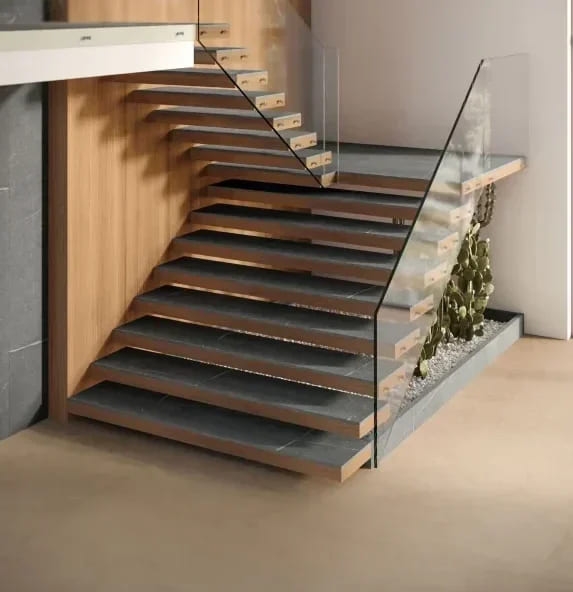
Outdoor ceramics are also very often used for ceramic stairs, because they enhance the look of the surroundings and resist mechanical damage, severe frost and large changes in temperature.
Disadvantages of ceramic tiles on outdoor surfaces
If you lay tiles outside your home that are not made for outdoor surfaces, this can be dangerous. They will most likely not be slip resistant, and even a little moisture can lead to a fall.
Ceramic tiles are generally very easy to maintain, but cleaning can be a little harder if they have a textured surface.
One disadvantage of ceramic tiles is that they are very hard to replace if one cracks or chips.
Installing ceramic tiles also takes great precision and the right adhesives and grouts, which must withstand all kinds of weather when used outdoors.
Poor installation can let water in and cause the tiles to lift.
Ceramic tiles warm up very quickly, but they also lose heat very quickly.
Because ceramic tiles have grout lines, unwanted bacteria can easily collect in them, so regular cleaning matters a great deal.
Tips for choosing ceramic tiles for outdoor surfaces
- Outdoor tiles should have a rough, coarse surface texture, because such tiles are slip resistant. That is why you should check the slip rating (anything from R10 to R12 is suitable).
- To make the tiles around your home look as good as possible, we suggest XXL ceramics, because they have fewer grout lines and so need less cleaning. Unless you really need it, avoid light-coloured grout.
- When laying ceramic tiles, always use an experienced tiler. Only an experienced tiler will prepare a clean, level surface before laying, apply the adhesive correctly and lay the tiles properly and neatly.
Despite some disadvantages, ceramic tiles that are correctly and properly installed are the best choice and an attractive solution for the surfaces outside your home.