

People have used stone for thousands of years. They built their first homes with it, and today we also use it in modern architecture.
It is one of the most important materials in building and design.
There are two types of stone: natural stone, which is taken straight from nature, and engineered quartz, which is made using special technological processes.
Both types have their advantages and disadvantages, but they differ clearly in some of their properties.
Natural stone
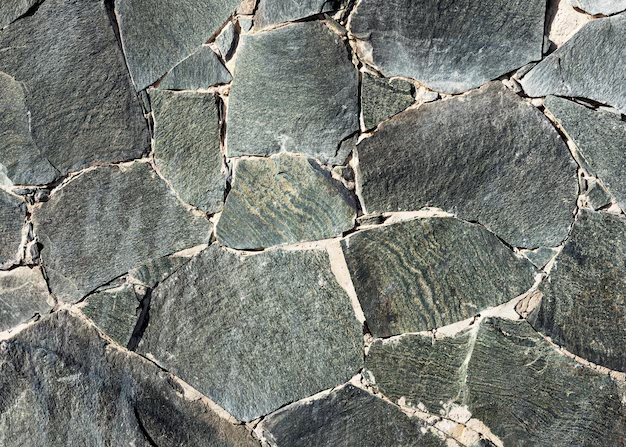
The most common types of natural stone are granite, marble, limestone, sandstone and slate.
Some advantages of natural stone:
- Every piece of natural stone is one of a kind, with its own pattern and its own structure.
- It resists all kinds of stains and mould.
- It is very easy to clean and maintain. Wiping it with a soft cloth and water is enough.
- It conducts heat very well.
- It comes in many different colours, patterns and sizes.
- It is an environmentally friendly natural material that contains no harmful chemicals.
- Because it is versatile and stands up to all kinds of weather, you can use it both inside and outside your home.
- Its natural look is very attractive and gives a room warmth and a homely feel.
Engineered quartz
How is it made?
Engineered quartz is a man-made material. It is made from a mix of natural stone and a synthetic binder, usually resin. Pigments and fillers such as crushed glass or shells can also be added during production, which makes it possible to create special stones that are not found in nature.
Engineered quartz is a technically optimised product made of 93 per cent natural quartz and 7 per cent resin and pigments. It is formed by compaction through vibration pressing under vacuum.
One very popular engineered stone is engineered marble, which is often of better quality than real marble, because it does not absorb grease or other dirt.
Some advantages of engineered quartz:
- It resists high temperatures and UV rays, so you can put a hot pan on it without worrying about damage.
- It is a hard-wearing material and very resistant to scratches, knocks and stains from wine, coffee and more.

- Engineered quartz does not burn and, very importantly, it will never change colour.
- It comes in XXL sizes, so a single piece can cover a whole kitchen worktop or an entire living room wall.
- It is fully antibacterial, because it has no pores and dirt cannot get inside.
Natural stone and engineered quartz compared
Both natural stone and engineered quartz offer excellent solutions, but with important differences.
- Natural stone is certainly hard, durable and resistant to high temperatures, but it is often absorbent and sensitive to acids. It therefore needs regular cleaning and, where necessary, sealing. Engineered quartz has no pores, so it resists stains better. This difference matters a great deal in kitchens and bathrooms, where spills are more likely.
- When it comes to the environment, natural stone has the advantage. It is a natural material with no chemical additives, while the production of engineered quartz has a higher carbon footprint, mainly because of the resins it uses.
- Prices can also differ a lot. Natural stone can be affordable (local limestone) or quite expensive (some marbles), while the price of engineered quartz is much more stable.
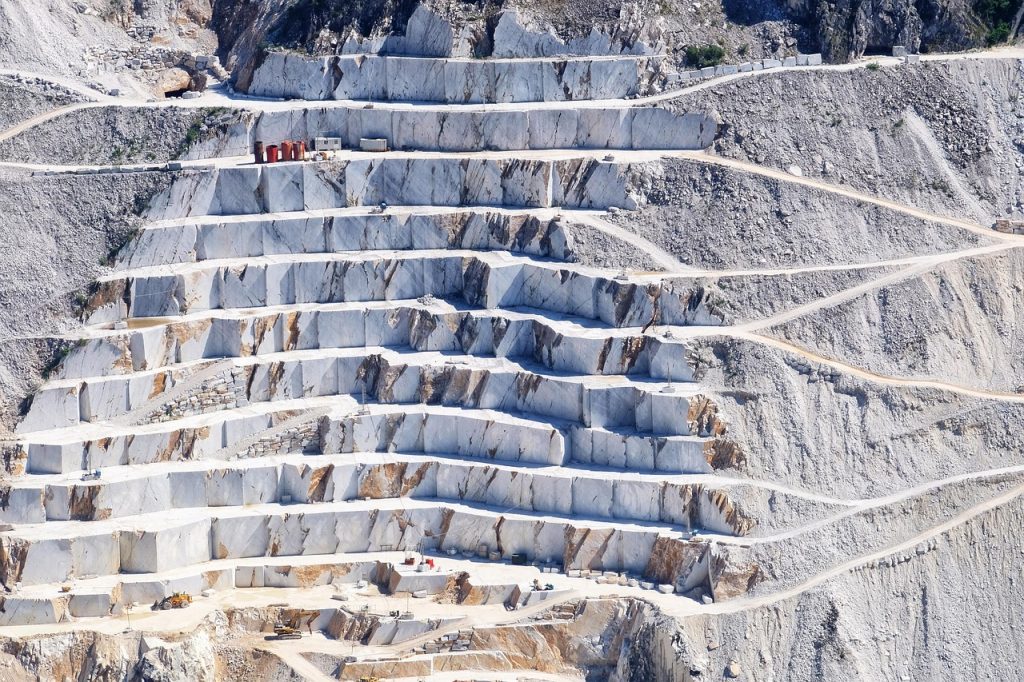
Both natural stone and engineered quartz have many advantages. Natural stone impresses with its individual character and its refined look. Engineered quartz, on the other hand, is practical and easy to maintain.