

Engineered quartz combines selected high-quality natural raw materials with the latest mixing and moulding technology. Engineered quartz has many good properties, such as low absorption, high resistance to scratches, chemicals, bacteria and stains, and low porosity, and it also comes in a wide range of colours.
It is suitable for interiors, for window sills, floor and wall cladding and stairs. It is also suitable for contact with food and very easy to maintain – which is why it is used most often for kitchen and bathroom worktops.
What is engineered quartz and how is it made?
Engineered quartz is a manufactured material made from a mix of natural stone and a binder, usually resin. It is an engineered product with a high level of resistance. It consists of 93 per cent natural quartz and 7 per cent resin and pigments.
It is made by compaction through vibration pressing under vacuum, which presses the dry mix of stone and binder into stone of the highest quality. Different pigments and fillers, such as crushed glass or shells, can be added during production, which lets us create special stones that do not exist in nature.
The way engineered quartz is made can vary a little depending on the manufacturer and the type of engineered quartz. To make engineered quartz, manufacturers use natural stone, such as marble, granite, quartz or limestone. The raw materials are chosen according to the look and properties wanted in the finished product. The mix is then pressed under high pressure to form a tough material that is used in kitchens, bathrooms, outdoor projects and more.
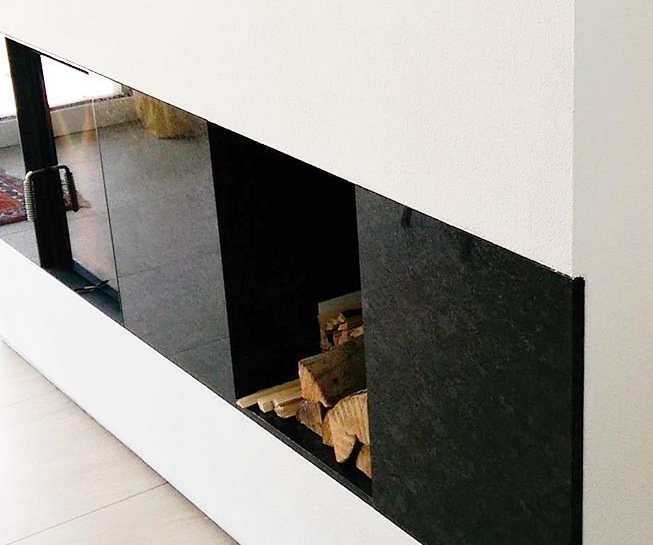
Specifications of engineered quartz can vary between manufacturers, but they usually include slab thickness, dimensions, strength, stain resistance, heat resistance and other properties.
Advantages of engineered quartz
- Heat-resistant: Engineered quartz resists high temperatures, so you can put hot pans or utensils straight onto the surface without worrying about damage. Engineered quartz also resists UV rays and temperature changes, which makes it an excellent choice for outdoor cladding on stairs and facades.
- Durable: Engineered quartz is a very hard-wearing material that resists scratches, knife cuts, knocks and stains from ink, oil, vinegar, coffee and wine. This stone is also non-combustible and, very importantly, it will never change colour. This means its surface lasts a long time and will not wear as quickly as some other options.
- Hygienic material: It has an antibacterial effect: because it has no pores, dirt stays only on the surface of the material and does not soak in. It is a non-porous material, so it does not absorb liquids, bacteria or odours. This makes the kitchen surface easier to clean and maintain and keeps the food preparation area hygienic.
- Large formats: You can order engineered quartz in very large formats, so you can cover a whole kitchen worktop in one piece, clad the entire wall of a shower or pave a small hallway with a single piece.
- Appearance: Engineered quartz will not change its appearance over its lifetime. It will not bloom, as often happens with laminate worktops, it will not discolour like concrete or real stone, and it will not get damaged like a wooden worktop, for example. Engineered quartz comes in a wide range of colours, patterns and textures, so you can match your kitchen style and create a look of your own. Compared with granite, an engineered quartz kitchen worktop feels much warmer.
Thanks to its properties, engineered quartz does not absorb grease or other liquids, so it is very well suited to kitchen worktops and similar work surfaces. Because of its great hardness, practicality, non-absorbency, acid resistance and, last but not least, its refined, rich look, it even surpasses most of the best properties of natural stone.