

Decorative stone: natural or artificial?
Natural decorative stone or artificial stone? Whether decorative stone is artificial or natural, it looks wonderful as a detail inside the home (on a living room wall, in the bathroom) or outdoors. Both materials look very attractive and pleasant.So what is the difference between them?
- Artificial decorative stone is made from plaster or concrete. The look of natural stone comes from casting it in a mould, but it is impossible to make every piece look different, so it quickly looks monotonous.
- Producing natural decorative stone is much more demanding. It first has to be quarried, then prepared for cutting, and only then does it get its final look, which is distinctive and not at all monotonous. No two pieces are ever exactly the same.
- Making artificial decorative stone is therefore simpler, but the result is also poorer.
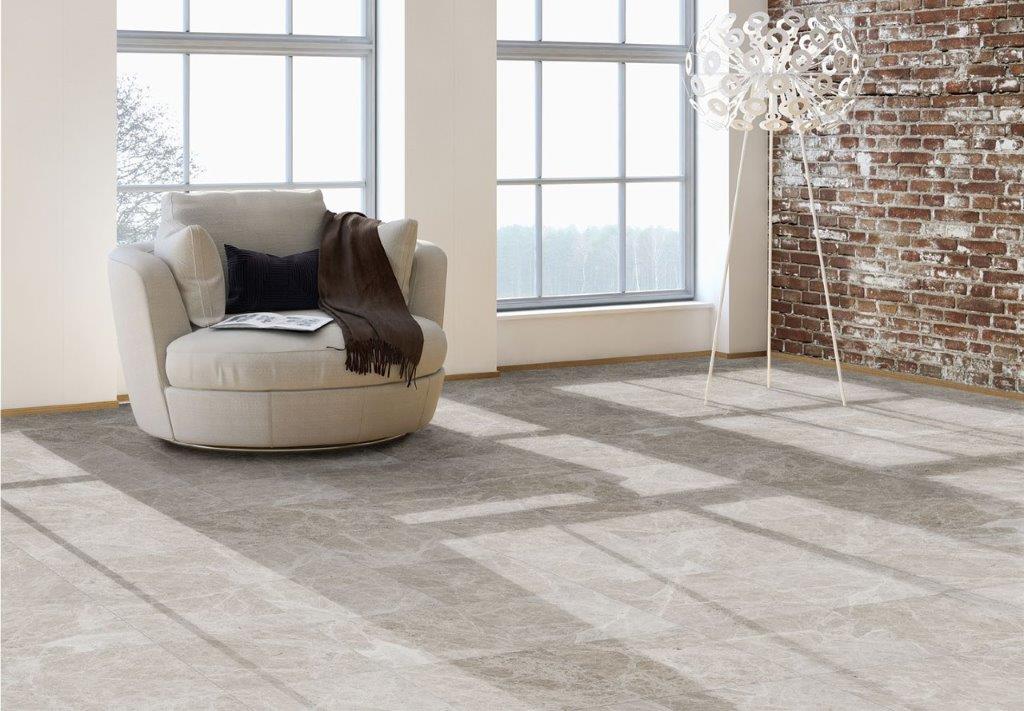
7 reasons to choose natural decorative stone over artificial stone
-
Attractive look
Stone is a natural material. Its properties depend on the type and quality of the minerals that make up a particular natural stone. This is also why it has a big advantage over other building materials: it can be combined with all of them. Natural stone is not an industrial product. It has its own natural origin and shows its colourful history.
-
Suitable for every home
As a building material, natural decorative stone contains no substances that harm health and no ingredients that pollute the environment in any way. It is completely safe to use, it is not flammable, and it releases no substances that would be dangerous to health in a fire. On top of that, natural stone needs no auxiliary or secondary substances before use, such as environmentally harmful and hazardous coatings.
-
The variety of natural stone
No other building material in nature has as many different structures and colours as natural stone. Many surface processes make its variety almost unlimited. The wide choice is one of the key reasons why builders and architects can adapt natural stone to any setting. Natural stone is therefore most often the first choice, thanks to its outstanding visual and technical properties, because it suits every layout and every requirement a building material must meet.
-
Quality and permanence
While some building materials lose their appeal, quality and shine over the years, stone keeps its natural beauty, colour and texture for many years. Many types of natural stone are like wine and only reach their full elegance after a few years. Natural stone is easy and inexpensive to maintain. It lasts an exceptionally long time, and with good planning and construction, natural stone buildings can last thousands of years, as history shows.
-
A three-dimensional look
Natural stone is three-dimensional, thanks to its 3D shaping and its translucent surface, which creates an interesting play of light and shadow. Natural stone panels like these are very striking and look most interesting as wall cladding in your home.
-
Saving energy
Natural stone has very good thermal conductivity and a high heat storage capacity, so it works best with underfloor heating. Outdoors we recommend light shades, which reflect heat and so do not warm up the surroundings or the rooms inside. -
A reasonable price
If the price of natural stone is what tips the balance, do consider the following facts. When the total cost of building materials is added up over 30 years or more, calculations show that natural stone is not more expensive than similar synthetic materials. The somewhat higher investment at the start also pays for itself quickly. Think too about the low maintenance costs and the unusually long life of natural stone.