

3 min read

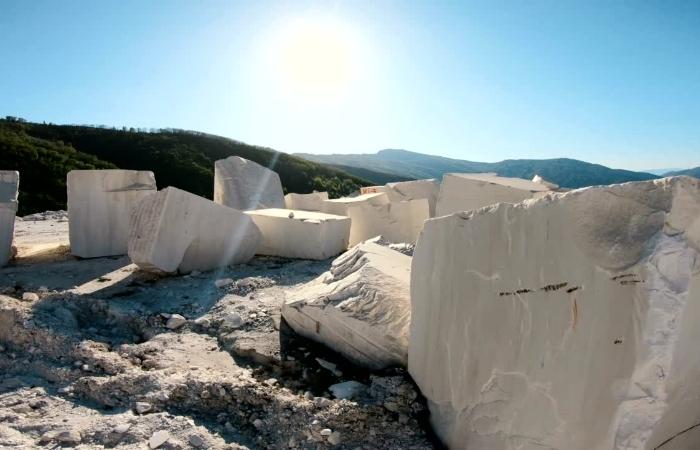 Granite is one of the best-known igneous rocks. It formed when magma pushed up through cracks towards the earth's surface. Under high pressure, the minerals in the liquid magma crystallised, which gives the rock its characteristic crystalline structure.
Granite has a much wider range of colours, from light grey to black, and also red and green. You can recognise it by its grainy, crystalline look.
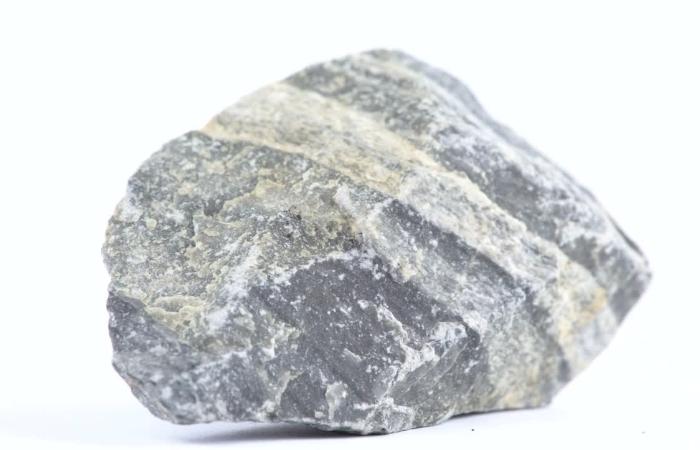
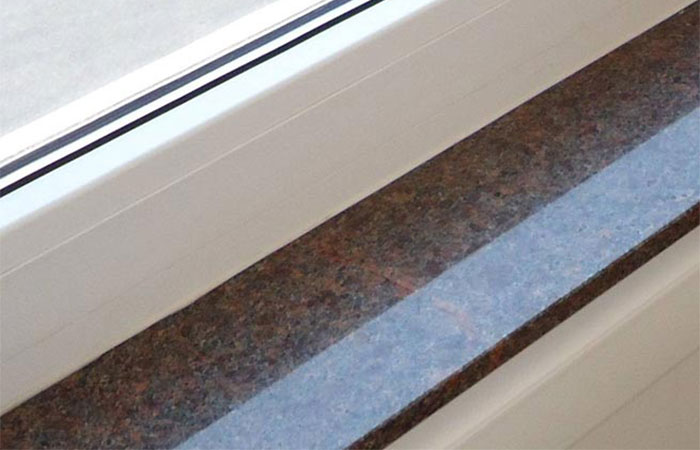 Marble, on the other hand, is a softer rock, so it is easier to shape. Its properties mean it is most often used indoors: for stairs, wall cladding, fireplace surrounds, window sills, floors and more.
If you choose the right thickness, marble can also be used on outdoor surfaces. Because it is made of natural minerals, it does not release toxins or chemical residues into the environment, and it has antibacterial properties, so harmful bacteria do not spread on it.
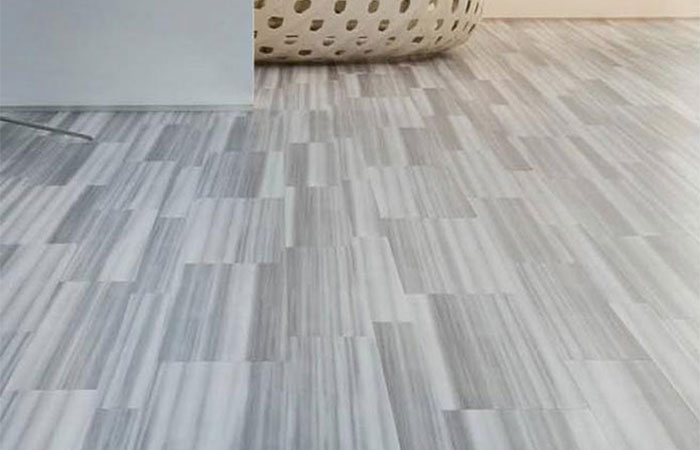
Marble or granite? Which should you choose?
Marble or granite? Which should you choose? Marble and granite are two of the most commonly used types of natural stone. Used with thought, they can find a place in many corners of our homes. They bring a touch of nature with a hint of elegance. What do marble and granite have in common, and where do they differ?To give you a better idea, a few words about natural stone
Natural stone is most often used in the final stages of building, or when fitting out a home or business premises. Many people choose rustic stone on facades or as cladding for interior walls, marble or granite on stairs, indoor and outdoor floors in marble and granite, granite on the kitchen worktop and more. There are many options. The photo below shows what to look out for when you are choosing between marble and granite. Which property matters most to you?
Origin and look of marble and granite
To understand them better, we first need to explain how these two stones formed. Marble is a metamorphic rock. It formed when limestone or dolomite recrystallised under high pressures and temperatures deep below the earth's surface. It is made up of small and larger colourless grains, so it sparkles. It is found mostly in lighter shades (white to light grey, beige and so on). There are exceptions: if it contains haematite, it has a reddish tint.
Granite is one of the best-known igneous rocks. It formed when magma pushed up through cracks towards the earth's surface. Under high pressure, the minerals in the liquid magma crystallised, which gives the rock its characteristic crystalline structure.
Granite has a much wider range of colours, from light grey to black, and also red and green. You can recognise it by its grainy, crystalline look.
Properties of marble and granite
Granite is a very hard rock because of the way it formed. It resists all kinds of weather and is less sensitive to changes in temperature and to chemical and mechanical damage. These properties are why it is most often used in construction and on outdoor surfaces in general. To give you an idea: granite, in the form of granite setts, was often used to pave roads. In some places it still is today. Granite is also used for headstones, outdoor paving, stairs, window sills, kitchen worktops and more. In short, you will find granite mainly on surfaces that face all kinds of weather, and where loads and the risk of mechanical damage are higher.
Marble, on the other hand, is a softer rock, so it is easier to shape. Its properties mean it is most often used indoors: for stairs, wall cladding, fireplace surrounds, window sills, floors and more.
If you choose the right thickness, marble can also be used on outdoor surfaces. Because it is made of natural minerals, it does not release toxins or chemical residues into the environment, and it has antibacterial properties, so harmful bacteria do not spread on it.