

5 min read
Laying natural stone in 3 steps
There is a great deal of stone in nature, and it is used more and more in green building projects, as it is considered a sustainable material. Sustainable development is a phrase we hear more and more often. If we as a society want to avoid running out of natural resources and polluting the environment, and to preserve biodiversity for future generations, this is one of the ways to get there. The idea of sustainable development has entered almost every part of our lives, and with it came the ideas of green building and sustainable architecture. Both support building in a way that has minimal impact on nature, using recyclable and renewable materials that reduce building costs. As a result, many sustainable materials offering innovative solutions have come onto the market in recent years. But there is also one ultimate sustainable material that has been used for centuries and keeps proving its worth – natural stone.
Natural stone as a sustainable material
Building in a sustainable, nature-friendly way takes a lot of advance planning and some extra arrangements, but in the long run it is worth all the effort. Using natural stone is a simple way to follow the idea of green building and still get a beautiful and lasting result. All this can come from choosing stone for its properties, such as marble, limestone, travertine and granite.Properties of natural stone
Natural stone for laying is a product of nature and has a range of properties that make it popular for interior and exterior design. As it contains no toxins or other harmful substances, it is completely safe to use indoors. Some of the good properties of natural stone:- durability,
- long service life,
- resistance,
- recyclability,
- many possible uses,
- good looks,
- a wide choice of colours and shades,
- easy care.
Ways of using natural stone
Natural stone simply has a lot going for it. It gives our homes a timeless, elegant feel, so here are a few ways to bring this beautiful material into your home.Stone floors
If you want a natural look for your flooring, we recommend granite, marble, limestone or travertine, as they are very hard-wearing materials that need little maintenance. Natural stone laid on floors outside or inside your home will create a pleasant atmosphere and give it a touch of nature.Stone wall cladding
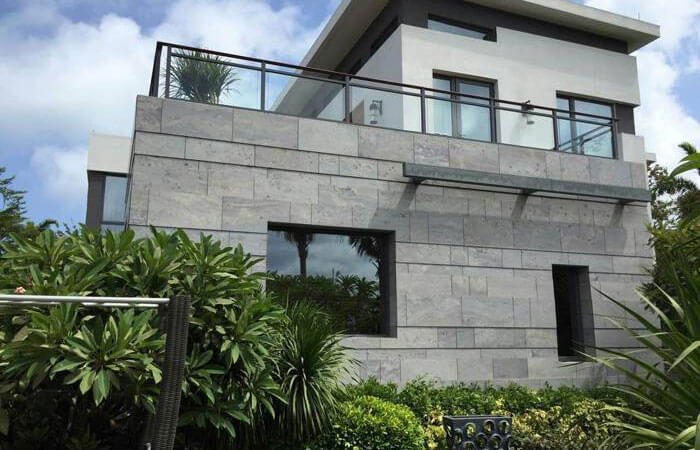
Natural stone wall cladding will give your home new depth, but it needs to be fitted properly.Stone sills
Natural stone is also an excellent choice for window sills, where you can choose from many colour patterns in different types of stone. You need to know, though, whether the sills will be inside or outside your home.Other stone products
There are many stone features that take the look of a home or garden to the next level. These can be planters, switch surrounds, wall decorations, kitchen worktops and so on.
Laying natural stone properly
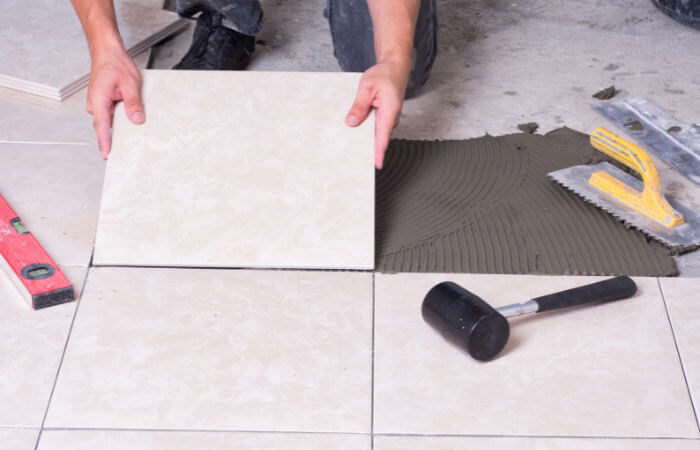
Laying natural stone takes a lot of knowledge, patience and skill. If you are not sure you have all three, contact trained professionals, as it is important that natural stone is laid perfectly. Only then can it fully do its job. Two tricky factors usually come up when laying natural stone. The first is moisture, which can build up between the floor surface and the natural stone tile. The second is choosing the right adhesive, including its colour. We recommend that you always choose a slightly lighter adhesive. Here is a short overview of the steps our professionals follow when laying natural stone:- First, prepare the base so that it is properly compacted and level. Do not forget the falls or slopes for drainage, and make sure there are enough drainage points. You also need to allow for the finished height and prepare the base to match it.
- Next comes laying the stone you have chosen. It is important that the stone is dry and clean before laying, that the back of the stone is fully bedded in concrete or adhesive, and that the joints are an even width.
- Grouting follows, which is the last step in laying natural stone tiles. Choosing the right products and methods for grouting is very important, and it is also key to fill the joints completely and evenly. When the grout starts to dry, clean the surface of the stone with circular movements, a little water and a soft sponge.